Bumble Bee Blinds is a home-based window treatment franchise that brings custom blinds, shades, shutters, and draperies directly to residential and commercial clients through mobile in-home consultations and managed installation — no retail storefront required. For prospective franchise candidates, the key evaluation points are startup investment, daily operations, franchisor support, territory structure, and whether the owner-operator or semi-absentee model aligns with your lifestyle and goals.
This article was created in partnership with Bumble Bee Blinds to provide accurate, compliance-safe information about its franchise opportunity. Nothing here should be considered legal, financial, or tax advice. Always review the most recent Franchise Disclosure Document with qualified advisors before making any investment decision.
Key Facts at a Glance
- Founded year: 2022.
- Headquarters: Omaha, Nebraska.
- Unit count / footprint: 204 units as of 2025, according to Entrepreneur; candidates should confirm the current count directly with the franchisor.
- Business model: Home-based, mobile, appointment-driven window treatment business serving a protected territory.
- Owner profile snapshot: Owner-operator or semi-involved ownership appears to be contemplated; the brand does not require prior window treatment experience, according to available materials.
- Training highlight: The brand says it provides in-person, video, and web-call training; brand materials also reference an 8-day training structure, while candidates should verify the latest format in the current FDD.
- Territory note: The FDD describes a single initial territory as approximately 200,000 in general population.
Who owns Bumble Bee Blinds, and how did the brand get started?
Bumble Bee Blinds was founded in 2022 by Stephen Vest, who built the brand from the ground up as a franchise system from day one — a deliberate choice that shaped the support infrastructure, technology platform, and operational model before the first territory was ever awarded. Vest launched the concept in partnership with HorsePower Brands, an Omaha-based multi-brand franchise development platform that provides centralized marketing, lead generation, and operational expertise across a growing portfolio of home-service concepts.
The core mission was straightforward: modernize an industry still relying on static showrooms, physical catalogs, and multi-day quoting processes by replacing all of it with mobile service, tablet-based visualization, laser measurements, and same-day proposals delivered directly inside the client’s space — giving the brand an immediate edge in a fragmented market where most local operators had been slow to adopt technology.
Growth followed quickly, with over 200 territories awarded across the United States within just a few years of launching, earning back-to-back recognition from Entrepreneur Magazine as a Top New & Emerging Franchise in 2024 and 2025 and a spot on its Fastest Growing Franchises list in 2025.
Reinforcing that momentum is Luxe Hive Fashions, the brand’s exclusive proprietary product line — featuring engineered shutters with lifetime warranties at a competitive cost-of-goods price point — available only to Bumble Bee Blinds franchisees and unavailable to any competing dealer.
How much does it cost to open a Bumble Bee Blinds franchise?
The disclosed startup range for one Bumble Bee Blinds business in one protected territory is substantial but still within the range many home-service franchise buyers consider for a home-based, mobile model. In the 2025 FDD, the total estimated initial investment is listed at $164,743* to $210,778* for a single protected territory.
The Startup Costs & Fees of a Bumble Bee Blinds Franchise.
| Category | Low Estimate* | High Estimate* |
|---|---|---|
| Initial Franchise Fee* | $59,500* | $59,500* |
| Buildout / Leasehold Improvements* | Not disclosed | Not disclosed |
| Equipment / Signage* | $13,100* | $17,030* |
| Opening Inventory / Supplies* | Not disclosed | Not disclosed |
| Training / Travel* | $6,495* | $8,495* |
| Working Capital (first 3 months)* | $20,000* | $40,000* |
| Insurance (90 days)* | $2,500* | $5,000* |
| Utilities (90 days)* | $200* | $500* |
| Vehicles* | $13,363* | $15,368* |
| Licenses, Certificates and Permits* | $0* | $2,000* |
| Professional Fees* | $1,000* | $10,500* |
| Technology Fee* | $2,376* | $2,376* |
| Special Software Fee* | $900* | $900* |
| Contact Center Fee* | $1,200* | $3,500* |
| Dues and Subscriptions* | $0* | $1,500* |
| Brand Marketing Fee* | $15,500* | $15,500* |
| Initial Marketing Expenditure and Local Advertising Expenditure (90 days)* | $20,000* | $20,000* |
| Digital Management Fee* | $1,500* | $1,500* |
| Accounting Services Fee* | $2,109* | $2,109* |
| ZeePartnerships Fee* | $5,000* | $5,000* |
| Total Estimated Initial Investment* | $164,743* | $210,778* |
Ongoing Fees & Support of a Bumble Bee Blinds Franchise.
| Category | Rate* | Notes |
|---|---|---|
| Royalty Fee* | 6% of gross sales* | Paid weekly via electronic funds transfer. Covers ongoing access to the brand system, operational support, and proprietary tools. Rate applies to total gross sales generated within the franchisee’s protected territory. |
| Brand / Marketing Fund* | 2% of gross sales* | Contributed to the national marketing fund managed by HorsePower Brands. Used to support brand-wide advertising, digital campaigns, and lead generation initiatives that benefit all franchisees across the system. |
| Local Marketing Spend* | $1,000/month minimum* | Owner-directed spend invested in the franchisee’s specific territory. May include digital advertising, community sponsorships, direct mail, or other locally approved channels. Designed to build brand presence and drive inbound leads at the local level. |
| Technology Fee* | $500/month* | Covers access to the CRM platform, live KPI dashboard, iPad Visualizer Tool integration, digital quoting system, and financing approval tools used in every client appointment. |
| Contact Center Fee* | $1,500/month* | Provides access to HorsePower Brands’ centralized inbound lead management service. The contact center handles incoming calls, qualifies leads, and routes appointment-ready prospects directly to the franchisee — removing a significant operational burden from the owner. |
| Other Periodic Fees* | Not disclosed | May include renewal fees, transfer fees, or additional training fees as outlined in the franchise agreement. Candidates should confirm the full fee schedule directly with the franchisor during the discovery process. |
These figures reflect startup and early operating needs only. They do not indicate financial performance or outcomes.
What tends to move the total up or down?
For Bumble Bee Blinds, the biggest cost swings usually come from vehicle package choices, insurance, professional fees, recruiting support, and how much working capital you want on hand for the first months. Even in a home-based model, local operating choices can push the range meaningfully.
- Real estate: The model appears home-based, which may reduce the need for leased retail space, but some owners may still choose office or storage arrangements that add cost.
- Local labor: If you hire early, use recruiters, or staff a general manager sooner, your early cash needs can move toward the high end.
- Inventory:The available source set does not clearly break out separate opening inventory, so candidates should ask what sample kits, product displays, and stocked materials the brand expects at launch.
- Vehicles and equipment: Required wrapped vehicles are a major cost driver, and financing terms, deposit size, supplier pricing, and upfit choices can change the total.
- Local marketing choices: The first 90 days include a required initial marketing spend, and ongoing local advertising requirements continue after launch.
- Working-capital assumptions: The FDD estimate is based on at least three months of additional funds and is explicitly tied to an owner-operated setup, so semi-involved candidates should pressure-test staffing assumptions.
What is Bumble Bee Blinds’ business model, and what does day-to-day operations look like?
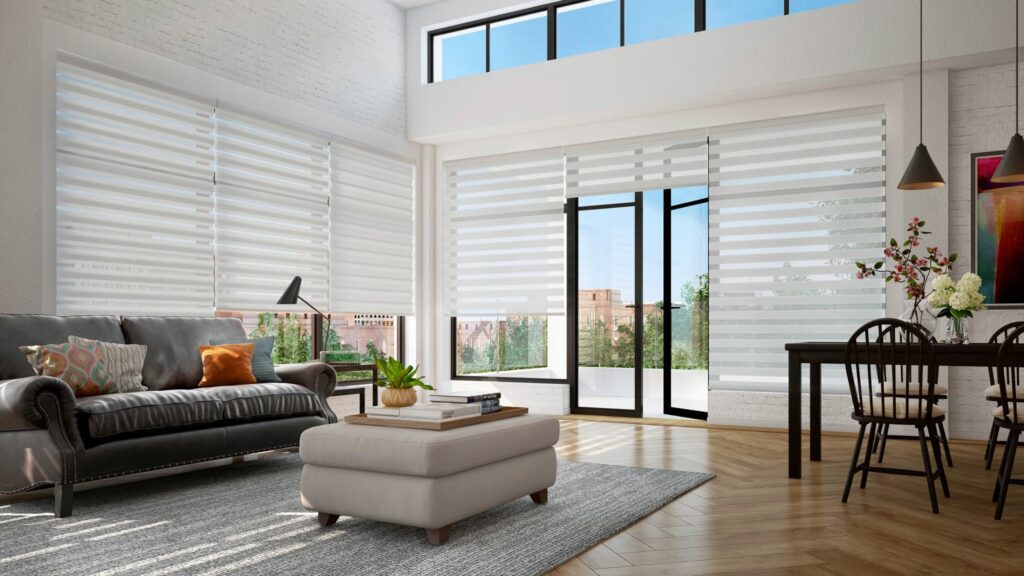
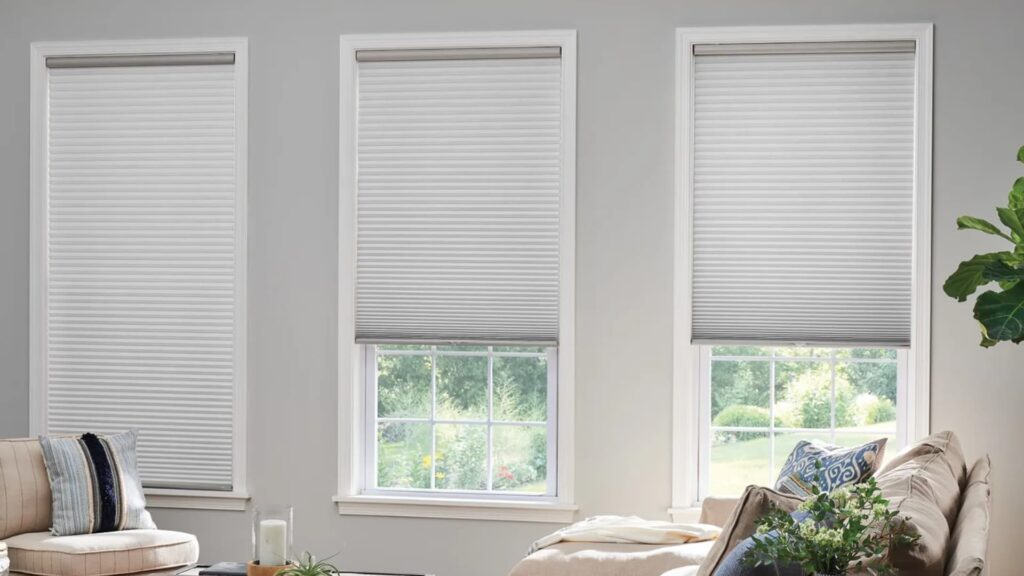
Bumble Bee Blinds uses a mobile, appointment-driven home services model rather than a walk-in retail concept. Franchisees sell and coordinate custom window covering solutions for homes and commercial properties, then manage measurement, quoting, ordering, installation, and service inside a protected territory.
The basic workflow is practical and easy to picture. A lead comes in, the business schedules a consultation, a representative visits the customer site, measures openings, helps the customer choose products, prepares a quote, and then coordinates installation and any follow-up repair or replacement work. Because the work can involve both residential and commercial jobs, the operation may blend consumer-facing sales with project coordination and vendor or installer management.
Bumble Bee Blinds also appears to rely heavily on process tools. The official site and brand materials describe technology such as tablet-based visualization, laser measurement, digital quoting, and customer financing support at the point of sale. From an owner’s perspective, that means the business is not just about design taste; it is also about disciplined lead handling, accurate measurement, fast proposal turnaround, and consistent customer communication.
What does a typical day look like for an owner-operator?
A typical day for a Bumble Bee Blinds owner-operator is likely part sales manager, part scheduler, part people leader, and part quality-control checkpoint. Even in a semi-involved structure, the owner should expect to stay close to lead flow, team performance, and customer experience.
- Staffing and team management: Confirm installer availability, review sales or design consultant schedules, and coach team members on process compliance and customer handoffs.
- Service delivery and quality checks: Review upcoming installs, monitor measurement accuracy, resolve customer issues, and check that completed jobs match approved specifications.
- Sales activity and customer outreach: Follow up on estimates, respond to inbound leads, build referral relationships, and keep proposal pipelines moving.
- Scheduling and logistics: Match consultations, ordering, delivery timing, and installation calendars so projects move without avoidable delays.
- Local marketing execution: Oversee campaign activity, community outreach, referral sources, and vendor or partner relationships that generate local demand.
- Administrative and reporting rhythms: Review KPI dashboards, track appointments, manage invoices or bookkeeping workflows, and stay current on franchisor reporting expectations.
Candidates who want a better feel for how franchise ownership works across different models can also join a franchise webinar before making this brand-specific decision.
What training, support, and technology does the franchisor provide?
Bumble Bee Blinds delivers a comprehensive support structure through HorsePower Brands that covers every stage of the franchisee journey — from pre-opening preparation through long-term growth. Rather than leaving owners to piece together their own systems, the brand provides a fully integrated combination of hands-on training, field coaching, proprietary technology, and ongoing marketing support designed to help franchisees focus on service delivery and client relationships from day one.
Support & Systems Overview.
| Support Area | What It Covers | Format |
|---|---|---|
| Initial Training | Product knowledge, sales process, technology tools, installation coordination, and brand standards | In-person at Omaha HQ; hands-on and classroom combined |
| Ongoing Training | Operational updates, advanced sales techniques, product line additions, and performance coaching | Online modules plus periodic in-person sessions |
| Field Support | Direct coaching visits to the franchisee’s territory; performance reviews and operational guidance | On-site visits from HorsePower Brands regional team |
| Operations Manual | Step-by-step guidance covering daily operations, client management, vendor relationships, and brand standards | Digital; updated as the system evolves |
| Technology Platform | CRM with live KPI dashboard, iPad Visualizer Tool, laser measurement integration, digital quoting, and financing approvals | Cloud-based; accessible from any device in the field |
| Lead Generation & Contact Center | Inbound lead handling, appointment setting, and lead routing managed centrally on behalf of franchisees | Centralized through HorsePower Brands; ongoing |
| Marketing Support | National brand fund campaigns, pre-opening local marketing package, digital advertising guidance, and co-op materials | National + local; structured spending framework |
Details reflect brand materials and available disclosures as of 2025. Confirm current program specifics directly with the franchisor during your discovery process.
A few things stand out about how this support model works in practice:
- Technology is built into every client interaction. The Visualizer Tool and laser measurement device are not optional add-ons — they are central to how franchisees present options, close proposals, and deliver a consistent premium experience across every appointment.
- Lead generation is handled for you. The centralized contact center manages inbound calls and routes qualified leads directly to franchisees, which is a meaningful operational advantage compared to brands that leave owners to manage their own lead flow entirely.
- Coaching is ongoing, not one-time. Field visits and performance reviews continue well after the opening period, giving franchisees a structured path for improvement rather than a single training event followed by independent operation.
- The KPI dashboard provides real-time visibility. Owners can monitor key metrics daily, which makes it easier to identify issues early and respond quickly — a critical capability in any service-based business.
What should you confirm during due diligence?
Due diligence matters because Bumble Bee Blinds is still a relatively young franchise system, and early-stage systems can change quickly as they refine support, territory availability, technology stacks, and operating procedures. The strongest candidates do not just ask whether support exists; they ask how it works after the honeymoon period of onboarding.
Ask these questions directly during your review process:
- How deep and how long is the initial training program?
- What does ongoing field support look like after launch?
- What technology is required, and what does it cost?
- How are territories defined and enforced?
- What are the renewal and transfer terms?
- What assumptions underlie the Item 7 cost estimates?
- Is Item 19 financial performance information available in the FDD?
- Can you speak directly with current and former franchisees?
The franchisor may provide financial performance information in Item 19 of the FDD; consult the document with a qualified advisor.
For a broader education step before brand validation calls, many candidates also benefit from joining FranPath Live to hear how experienced buyers approach franchise due diligence.
How do territories, real estate, and equipment requirements typically work?
For Bumble Bee Blinds, these requirements appear structured around a protected geographic territory, a home-based or light-office operating footprint, and a required vehicle-and-equipment package used for sales calls and installations. The exact practical setup matters because this is not a simple desk business; it is a field operation with scheduling, measurement, transport, and installation coordination.
What real estate profile is typical?
The typical real estate profile appears to be home-based and mobile rather than retail storefront driven. The FDD includes utilities for a home office or leased office, which suggests flexibility, but it does not present a traditional buildout-heavy retail model in the visible Item 7 excerpts.
That said, candidates should not assume there is no location decision at all. A practical due diligence question is whether local operations can be run cleanly from a home office, or whether sample storage, installer coordination, or team growth often push owners toward light industrial or office space later.
How does territory protection work?
Bumble Bee Blinds describes territories as protected territories, and the initial fee for one unit is tied to approximately 200,000 in general population. In franchise terms, a protected territory generally means the franchisor agrees to limit certain same-brand competitive activity within a defined area, but the exact rights, exclusions, and carve-outs must be read in Item 12 and the franchise agreement.
Therefore, candidates should confirm the map, boundary method, and exceptions in writing. Important follow-up questions include whether the territory is population-based, how nearby territories are allocated over time, and whether national accounts, e-commerce leads, relocation customers, or commercial accounts create carve-outs.
What equipment or vehicles are commonly required?
A Bumble Bee Blinds location appears to require wrapped vehicles plus sales and operating tools used in field consultations and project fulfillment. In practice, this means owners should treat vehicles and required operating tools as core launch items, not minor accessories.
Commonly referenced requirements include:
- Wrapped sales or service vehicles that meet system standards.
- Measurement tools, including laser measurement equipment referenced in brand materials.
- Product samples, promotional materials, apparel, and launch supplies within the opening package.
- Required hardware or software tied to quoting, CRM, dashboards, and system operations.
- Installation-related tools and supplies, whether used by employees or coordinated through subcontractors.
If you want more detail, ask the franchisor for the current required-equipment list and which items must come from approved suppliers.
Who is the ideal Bumble Bee Blinds owner, and what time commitment is typical?
The ideal Bumble Bee Blinds owner appears to be someone who can lead people, follow systems, stay active in local relationship building, and manage a field-based service business without needing prior window treatment experience. The materials provided suggest the model can support owner-operator or semi-involved ownership, but candidates should clarify how semi-involved ownership works in practice at their planned scale.
- Leadership and team-management ability: This is important because the owner may be coordinating sales staff, installers, subcontractors, and customer service workflows.
- Comfort following systems and processes: The model relies on required tools, standards, manuals, and vendor structures rather than improvisation.
- Sales or customer-service aptitude: In-home consultation and proposal follow-up make communication and trust-building essential.
- Community outreach and local networking comfort: Referral relationships and community visibility can matter in a local service business.
- Operational discipline and attention to detail: Accurate measurement, order handling, scheduling, and installation follow-through all require process discipline.
- Realistic time commitment: Owner-operator and semi-involved models are referenced in brand materials; the exact expected owner time commitment is Not disclosed and should be confirmed directly.
How does Bumble Bee Blinds compare to similar franchise options?
Bumble Bee Blinds appears positioned as a tech-enabled, home-based window treatment franchise within the broader home-improvement category. Compared with similar franchise brands in this category, the most useful distinctions are the mobile service format, the emphasis on consultation technology, and the support infrastructure associated with the HorsePower platform.
- Core product or service focus: The brand centers on custom blinds, shades, shutters, drapery, and repair or replacement work for residential and commercial customers.
- Operational complexity and staffing model: This is more operationally involved than a simple lead-gen business because measurement accuracy, product ordering, installation coordination, and customer follow-up all matter.
- Territory approach and protected-area structure: The disclosed single-unit framework is built around one protected territory tied to population rather than a storefront trade area.
- Service delivery channels: The model is mobile and field-based, using in-home or on-site consultations rather than depending on retail foot traffic.
- Prior industry experience typically required or preferred: Available sources say prior window treatment experience is not required, which may widen the candidate pool.
- Training and support depth relative to the category: The broader HorsePower ecosystem may offer more centralized support functions than some smaller independent concepts, but candidates should verify what support is truly brand-specific.
FAQ about the Bumble Bee Blinds Franchise.
Do I need experience in window treatments or home services to open a Bumble Bee Blinds franchise?
No prior experience is required, and in fact, Bumble Bee Blinds was built specifically with first-time industry entrants in mind. The franchisor covers everything through structured training — products, technology, installation coordination, and the full sales process — so new owners arrive with a clear foundation rather than having to build one themselves.
What the brand values most is not a specific background but a genuine willingness to follow the system, engage locally, and lead a small team with consistency.
What makes Bumble Bee Blinds different from other window treatment franchises?
The differentiation starts with technology: owners use an iPad Visualizer Tool and laser measurement device to generate precise, same-day proposals inside the client’s home — something most traditional dealers cannot replicate. Adding to that edge is exclusive access to Luxe Hive Fashions, a proprietary product line with lifetime warranties unavailable to any competing dealer.
Perhaps most operationally significant, however, is HorsePower Brands’ centralized contact center, which manages inbound leads on the franchisee’s behalf and meaningfully reduces the cold-outreach burden from day one.
Can I run a Bumble Bee Blinds franchise part-time or as a semi-absentee owner?
Bumble Bee Blinds supports both an owner-operator model and a semi-absentee structure, where a hired general manager handles daily operations while the owner stays involved at a strategic level.
The semi-absentee path, however, is not a passive investment — it still requires strong hiring judgment, consistent oversight, and active engagement with the brand’s coaching expectations. Whichever model you choose, staying connected to your team and your territory remains a core requirement throughout.
Does Bumble Bee Blinds work for both residential and commercial clients?
Yes, and that dual focus is one of the franchise’s strongest structural advantages. Residential clients receive custom blinds, shades, shutters, and draperies, while commercial clients — including offices, hotels, and new construction projects — often involve larger scopes of work per engagement.
Layered on top of both channels is a repair service offering, which creates repeat-business opportunities and helps franchisees build lasting relationships within their protected territory.
Is the window treatment business affected by economic downturns or seasonal slowdowns?
Window treatments are widely considered an essential service, which gives the category more economic resilience than purely discretionary businesses — and Bumble Bee Blinds is positioned to benefit from that stability across both residential and commercial client types.
Because demand comes from homeowners, property managers, contractors, and commercial operators alike, the business tends to remain active year-round with minimal seasonal interruption. Local market conditions will always play a role, however, so prospective owners should research their specific territory carefully before committing.
What kind of support does Bumble Bee Blinds provide after I open my franchise?
Post-opening support goes well beyond the initial training period and covers several important areas simultaneously. Franchisees receive ongoing field visits and coaching from the HorsePower Brands team, while the CRM’s live KPI dashboard allows owners to monitor performance and adjust in real time.
Meanwhile, the centralized contact center continues handling inbound leads on the franchisee’s behalf, and ongoing training modules, local marketing guidance, and national brand fund campaigns round out a support ecosystem designed to ensure no owner navigates growth alone.
Is Bumble Bee Blinds the right fit for you?
Bumble Bee Blinds may be a fit for candidates who want a structured, mobile home-services business that blends local sales, project coordination, and team management. It may be less appealing for buyers who want a highly passive model, dislike operational detail, or do not want to stay close to local marketing and customer experience.
It may be a good fit if you:
- Want a home-based or mobile service model instead of a retail storefront.
- Are comfortable managing people, process, and customer handoffs.
- Like consultative sales and local relationship building.
- Prefer a franchise system with defined tools, standards, and vendor structures.
- Are open to either an owner-operator path or a semi-involved structure with strong oversight.
- Understand that field operations still require attention to scheduling, quality control, and follow-up.
You may want to be cautious if you:
- Want a business that runs mostly on autopilot from day one.
- Dislike sales follow-up, quoting, or customer-facing conversations.
- Prefer a simple desk-based model without vehicles, installation coordination, or service logistics.
- Expect the franchisor to handle all local marketing for you.
- Are uncomfortable working inside a system with required tools, approved suppliers, and evolving standards.
- Need fully disclosed simplicity on every operational detail before engaging in a deeper FDD review.
Every franchise candidate’s path looks a little different. Taking time to compare models, assess your personal fit, and work through a structured discovery process can make the difference between a confident decision and one made too quickly.