HouseMaster franchise cost for a single territory ranges from $58,825 to $92,675, including the franchise fee, required tools and technology, licensing, insurance, and at least three months of working capital, according to the 2025 Franchise Disclosure Document (FDD).
HouseMaster is a home-based, mobile home inspection franchise within the Neighborly family of brands, where franchise owners deliver standardized home inspections and clear, cloud-based reports for buyers, sellers, and property owners in a defined territory.
This article is designed to help prospective HouseMaster franchisees understand how the model works day to day, what it typically costs to get started, and what kind of owner profile tends to be a strong fit.
It walks through the initial investment and ongoing fees, the business model and daily operations, training and support, territories and equipment, owner fit, how HouseMaster compares to similar options, and practical FAQ-style questions to raise during due diligence. It does not predict what you will earn, promise specific financial outcomes, or replace a detailed review of the current FDD with qualified legal, financial, and tax advisors.
This article is sponsored by HouseMaster and was created in partnership with the brand to provide accurate, compliance-safe information about its business model and franchise opportunity. Nothing in this article should be considered legal, financial, or tax advice. Prospective franchisees should always review the most recent Franchise Disclosure Document (FDD) with qualified advisors before making an investment decision.
Key Facts at a Glance.
- Founded: Home inspection roots in 1971; first franchised in 1979.
- Headquarters: Waco, Texas (HouseMaster SPV LLC, a Neighborly company).
- System size: About 235 franchised units plus corporate operations as of December 31, 2024.
- Industry: Residential and light commercial home inspection services.
- Business model: Home-based, mobile, territory-driven operation with branded vehicles.
- Training highlight: Multi-week onboarding and technical training (including NIBI), followed by ongoing coaching and conferences.
- Territory note: Territories defined by owner-occupied home counts; precise details are set out in Item 12 and in the franchise agreement.
Who owns HouseMaster, and how did the brand get started?
HouseMaster began as a single home inspection business in New Jersey in 1971 and grew into the first home inspection franchise system in North America by 1979. From the start, the concept focused on helping homebuyers and real estate agents make better decisions with clear, standardized inspection reports.
Founder Ken Austin helped professionalize the field by co-founding the American Society of Home Inspectors (ASHI) in 1976 and promoting consistent standards for inspectors. As demand grew, HouseMaster expanded across the U.S. and Canada through franchise owners who followed a common inspection process, reporting format, and customer-service approach.
In 2020, HouseMaster joined the Neighborly family of home-service brands, becoming part of a broader “whole home” strategy alongside other service concepts. Today, the franchise is operated by HouseMaster SPV LLC, a Delaware company based in Waco, Texas, giving local owners access to both HouseMaster’s long inspection track record and Neighborly’s shared technology, marketing, and cross-brand referral network.
How much does it cost to open a HouseMaster franchise?
For a single HouseMaster territory, the 2025 FDD estimates the total initial investment at $58,825 to $92,675, including the initial franchise fee and three months of working capital. This reflects a home-based operation with a branded vehicle, professional tools, required technology, licensing, insurance, and initial marketing.
Startup Costs & Fees of a HouseMaster franchise.
For Google Docs, create a 3-column table with these headers: Category, Low Estimate*, High Estimate*. Then use the rows below.
| Category | Low Estimate* | High Estimate* |
| Initial Franchise Fee* | $42,500* | $42,500* |
| Training Expenses* | $500* | $2,500* |
| Licensing Compliance Costs* | $0* | $10,000* |
| Marketing Materials and Supplies* | $1,000* | $2,000* |
| Office Equipment, Furniture* | $0* | $1,500* |
| Computer System* | $100* | $2,500* |
| Rent* | $0* | $750* |
| Prepaid Expenses* | $250* | $750* |
| Insurance* | $4,000* | $9,000* |
| Professional Fees* | $0* | $1,000* |
| Reunion Travel Expenses* | $1,000* | $3,000* |
| Vehicle & Vehicle Branding* | $3,000* | $5,700* |
| Starter Tool Kit* | $475* | $475* |
| Additional Funds for 3 Months* | $6,000* | $11,000* |
| Total Estimated Initial Investment* | $58,825* | $92,675* |
HouseMaster Franchise Ongoing Fees and Support.
For Google Docs, insert a 4-column table and use the rows below.
| Category | Low Estimate* | High Estimate* | Notes |
| Royalty Fee* | Not disclosed here* | Not disclosed here* | Percentage of Gross Sales; current structure is detailed in Item 6. |
| Brand/Marketing Fund* | Not disclosed* | Not disclosed* | Contributions to system or brand marketing as set forth in Item 6. |
| Local Marketing Spend* | 5% of monthly Gross Sales* | Up to 10% of monthly Gross Sales* | Minimum local marketing requirement; the franchisor may collect and deploy. |
| Technology / Software* | Approx. $349.99–$449.99 per month plus per-booking fees* | Higher if additional licenses/tools are added* | Technology package and call center fees via affiliates and vendors. |
| Other Periodic Fees* | Not disclosed* | Not disclosed* | Includes reunion fees, late fees, transfer fees, insurance-related costs, and other amounts listed in Item 6. |
Important context: These figures reflect startup and early operating needs only. They do not indicate financial performance or outcomes.
The franchisor may provide financial performance information in Item 19 of the FDD; consult the document with a qualified advisor.
What tends to move the total up or down?
HouseMaster franchise cost tends to move within the disclosed range based on your office setup, staffing choices, local licensing requirements, vehicle and equipment decisions, and marketing plan. Candidates who already own a suitable vehicle, computer, and home office may fall closer to the low end, while those building everything from scratch and staffing quickly may be nearer the high end.
- Real estate choices: A compliant home office keeps buildout and rent costs low; choosing a commercial office adds lease deposit, furniture, utilities, and signage.
- Local labor: Hiring inspectors or administrative support early raises payroll and benefits; starting as a solo operator reduces initial labor spend but increases personal time commitment.
- Licensing and compliance: States with stricter home inspector licensing may require additional education, supervised inspections, exams, or fees, increasing both time and cost.
- Vehicles and equipment: Purchasing a newer vehicle or multiple vehicles and upgrading tools beyond the starter kit pushes equipment costs upward.
- Local marketing decisions: Spending only at the required local minimum differs from an aggressive launch campaign that adds direct mail, sponsorships, or paid events.
- Working capital assumptions: Budgeting more than three months of cash reserves can provide a cushion if ramp-up takes longer than expected.
What is HouseMaster’s business model, and what does day-to-day operations look like?
HouseMaster is a home-based, mobile home inspection franchise where owners and inspectors travel to properties, perform standardized inspections, and deliver digital reports, rather than operating from a retail storefront. Activity is driven by referrals from real estate agents, repeat business from homeowners, and digital marketing managed at the brand level.
Franchisees operate in defined territories and offer services such as comprehensive buyer inspections, seller pre-listing inspections, element-specific inspections, and consultative inspections for existing homeowners. The franchisor provides proprietary inspection software, a cloud-based report delivery system, and a management platform that tracks scheduling, customer data, and key performance indicators.
Owners can run a solo operation, where they perform most inspections themselves, or build a small team of inspectors they manage while focusing more on marketing and business development.
What does a typical day look like for an owner-operator?
For a HouseMaster owner-operator, a typical day blends inspections, relationship-building, and back-office management. The exact schedule varies by market and season, but most days include a mix of field work and business development.
- Staffing and team management: Reviewing the schedule, assigning inspections to team members, and handling same-day changes or call-outs.
- Service delivery and quality checks: Conducting inspections or spot-checking reports and photos to ensure they follow brand standards and state regulations.
- Sales activity and customer outreach: Visiting real estate offices, following up on leads, and answering questions from buyers and sellers about upcoming inspections.
- Scheduling and logistics: Using the HouseMaster inspection management system to confirm appointments, plan efficient routes, and coordinate access with agents and homeowners.
- Local marketing execution: Dropping materials at brokerages, attending networking events, participating in community groups, and implementing local campaigns that complement the brand’s digital efforts.
- Administrative and reporting rhythms: Reviewing weekly sales reports and key performance indicators, managing expenses, and preparing for coaching calls with the support team.
What training, support, and technology does the franchisor provide?
HouseMaster provides a structured combination of onboarding, technical training, business coaching, and technology tools designed to help franchisees deliver consistent inspections and run the business effectively. This support is layered with Neighborly’s broader home-service infrastructure for marketing, technology, and cross-brand collaboration.
HouseMaster Franchise Support & Systems Overview.
| Support Area | Details |
| Initial Training | Four-week self-paced onboarding plus multi-week classroom and NIBI technical training, including inspector certification where required. |
| Ongoing Training | Webinars, regional training sessions, and annual Reunion conference; optional additional training available for a fee. |
| Field Support | Opening support, ongoing coaching calls, and access to regional and corporate support staff. |
| Manuals / SOPs | Operations manuals with inspection procedures, reporting standards, approved tools, and marketing guidelines. |
| Technology Platform | Required software system with inspection reporting, CRM/scheduling, intranet, email, and accounting integrations such as QuickBooks Online. |
| Marketing Support | Professionally managed website, social media programs, national or regional campaigns, and local marketing templates and guidelines. |
Initial onboarding covers business setup, licensing steps, technology configuration, and early marketing planning, guided by an onboarding coach.
The subsequent classroom and NIBI technical training cover inspection methodology, building systems, report writing, risk management, and customer communication, helping franchisees meet state licensing rules and brand standards.
After launch, owners have access to regular coaching calls, optional additional training, and annual Reunion events that provide peer networking and updates on best practices.
Technology and software requirements are detailed in the manuals and in the FDD; franchisees must use designated inspection, CRM, and accounting platforms and pay associated monthly fees through the franchisor or its affiliates. Marketing support combines corporate digital campaigns with expectations around local marketing execution and minimum spend levels.
What should you confirm during due diligence?
Due diligence helps candidates move beyond the brochure view and understand how support, technology, and expectations play out in practice. The FDD gives structured information, but candid conversations with the franchisor and franchisees are just as important.
- How deep and how long is the initial training program, and how is it adapted if you already have inspection or construction experience?
- What does ongoing field support look like after launch—who is the main contact, and how often do you speak with them?
- What technology is required, how often is it updated, and what are the current monthly costs for all required software and call center tools?
- How are territories defined, and under what circumstances can work cross territorial lines, for example through key accounts or call center assignments?
- What are the renewal and transfer terms, including fees and any performance conditions you must meet to renew at the end of the term?
- What assumptions were used in Item 7 cost estimates, such as owner-operator versus staffed model, marketing level, and licensing pathway?
- Is Item 19 financial performance information available, and how should you and your advisor interpret it alongside your own projections and risk tolerance?
- Can you speak with both long-tenured franchisees and those who recently joined or left to understand the range of experiences?
How do territories, real estate, and equipment requirements typically work?
HouseMaster territories are defined by owner-occupied homes, the business is typically run from a home office, and franchisees must maintain a branded vehicle, inspection tools, and required technology. These structural elements keep fixed overhead relatively modest while ensuring inspectors can deliver in-person services throughout the territory.
What real estate profile is typical?
Most HouseMaster franchises operate from a home office, assuming local zoning and licensing allow it. The FDD’s investment table reflects this approach with little or no initial allocation for rent or buildout, aside from optional modest office setup costs.
As teams grow, some owners choose to lease small office or light-industrial space to store equipment, park vehicles, or host team meetings. The franchisor does not highlight extensive site-selection or lease-negotiation services, so candidates should assume they will handle any commercial office decisions with local real estate and legal advisors. If your area has strict home-business rules, ask the franchisor and current owners how they navigated local compliance.
How does territory protection work?
Territories are generally defined by a specified number of owner-occupied homes, with a standard territory up to 75,000 such homes and an additional per-home fee for larger territories. The FDD and franchise agreement explain whether these territories are exclusive, how the franchisor may serve national or key accounts, and how work can cross between territories.
A protected territory typically means the franchisor agrees not to authorize another franchisee to operate the same brand within the defined area, subject to exceptions for certain corporate or key accounts as described in the agreement. HouseMaster also has rules and potential fines related to cross-territory work or marketing; candidates should review these carefully and speak with current franchisees about how territorial boundaries work in practice.
What equipment or vehicles are commonly required?
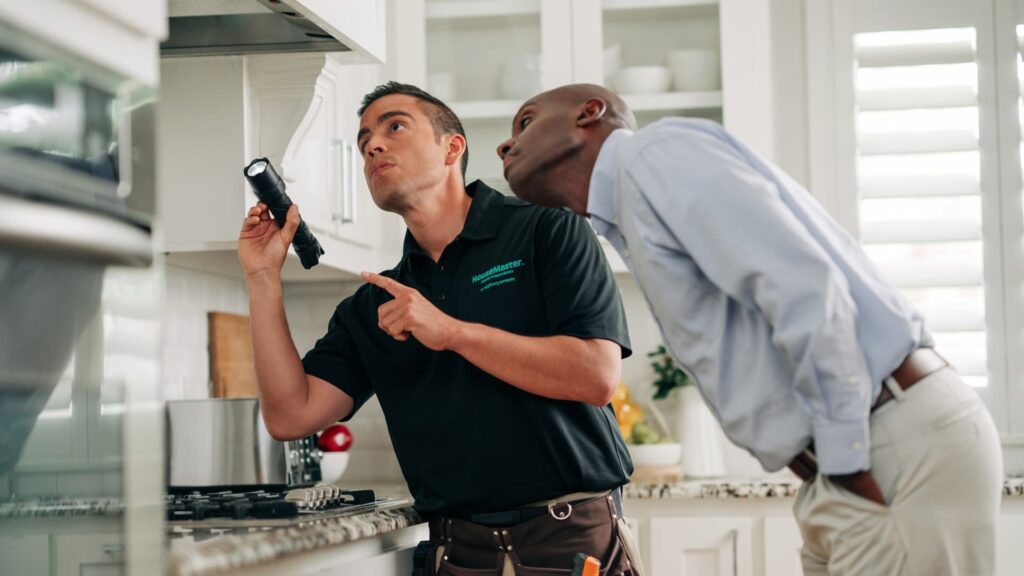
HouseMaster expects franchisees to maintain at least one reliable vehicle and a branded presence, often via a full wrap or similar graphics, to support on-site inspections and local awareness. The required starter tool kit includes items such as a moisture meter, receptacle tester, voltage detector, flashlight, combustible gas detector, infrared thermometer, dial thermometer, safety goggles, and an equipment bag.
Franchisees also need compatible technology—typically a laptop and tablet or similar devices—to run inspection software, capture photos, and deliver reports through the HouseMaster cloud system. As the business scales, owners may add extra vehicles, ladders, tools, and devices to support additional inspectors. If you already own suitable tools or a vehicle, the actual cost for this category may be lower than the FDD’s high-end estimate.
Who is the ideal HouseMaster owner, and what time commitment is typical?
The ideal HouseMaster owner is a people-first operator who is comfortable in the field and in front of clients, willing to follow proven systems, and ready to invest full-time effort—at least during launch—into building relationships and managing inspections. While technical backgrounds can help, the franchisor often emphasizes communication, relationship-building, and business discipline over prior construction or inspection experience.
- Leadership and team-management ability: Growth-focused owners should be prepared to recruit, train, and lead a small team of inspectors as volume increases.
- Comfort following systems and processes: The brand’s value proposition relies on consistent inspection methods and reporting, so owners must embrace standard operating procedures and technology rather than improvising their own approach.
- Sales or customer-service aptitude: Much of the job involves explaining findings to buyers and maintaining trust with agents who refer clients.
- Community outreach and local networking comfort: Owners who naturally engage with local real estate offices, lenders, and community groups often see more referral activity.
- Operational discipline and attention to detail: Inspection work involves liability and safety; detail-oriented operators are better positioned to manage risk and maintain quality standards.
- Realistic time commitment: The franchise agreement requires meaningful owner involvement in the business but does not specify exact hours per week, so the time commitment beyond active participation is best clarified directly with the franchisor and franchisees.
How does HouseMaster compare to similar franchise options?
HouseMaster occupies a long-tenured position in the home inspection segment, with decades of brand history and integration into the Neighborly portfolio. Compared with other service franchises, its value proposition leans on low fixed overhead, standardized inspection processes, and a strong emphasis on real-estate-driven referrals.
- Core product or service focus: HouseMaster concentrates on inspections and related reporting rather than repairs or remodeling, keeping the offering narrowly defined but deeply specialized.
- Operational complexity and staffing model: Many owners start solo or with a very small team, focusing on scheduling, inspections, and reporting, then add inspectors as demand grows; there is no retail counter staff to manage.
- Territory approach and protected areas: Territories are built around owner-occupied households with clear counts and upgrade fees for larger territories, which can feel more concrete than loosely defined geographic zones.
- Service delivery channels: The model is mobile and home-based; inspectors drive to clients rather than relying on foot traffic or a storefront.
- Prior industry experience: Construction or real estate backgrounds are helpful but not mandatory; structured training and licensing pathways aim to bring in candidates from corporate or professional roles.
- Training and support depth: NIBI technical training, Neighborly infrastructure, and ongoing coaching give the support model depth relative to many independent, non-franchise inspection businesses.
FAQ about the HouseMaster franchise.
What does a HouseMaster franchise actually do day to day?
A HouseMaster franchise owner runs a home inspection business that checks the condition of homes for buyers, sellers, and owners. Most days involve visiting properties, performing inspections, creating reports, and staying in touch with local real estate agents who refer new customers.
Can I run a HouseMaster franchise from home?
Yes, the HouseMaster franchise is designed to be run from a home office in most markets. You still need a reliable vehicle, proper tools, and any licenses your state requires, but you typically do not need a retail storefront.
How much time does a HouseMaster franchise owner usually work?
Most new HouseMaster franchise owners treat the business as a full‑time role, especially during the first few years. As the business grows and additional inspectors are hired, some owners shift more of their time to management and marketing instead of doing every inspection themselves.
Can I own a HouseMaster franchise and keep my current job?
HouseMaster expects meaningful owner involvement in running the franchise, particularly at the beginning. Some candidates plan a transition period, but long‑term, it is difficult to grow a HouseMaster franchise as a true side job, so this is an important topic to discuss directly with the franchisor and current owners.
What kind of vehicle and tools does a HouseMaster franchise require?
A HouseMaster franchise typically requires at least one dependable vehicle that can be branded with company graphics, plus a basic set of inspection tools such as a ladder, moisture meter, testers, thermometers, and safety gear. The exact tool list and any state‑specific requirements are outlined in the FDD and operations manual.
How do HouseMaster franchise owners find customers?
Most HouseMaster franchise owners build their business through relationships with local real estate agents, repeat customers, and online leads. The franchisor supports this with a managed website, digital marketing programs, and brand systems, while the local owner focuses on in‑person networking and follow‑up in their territory.
Is the HouseMaster Franchise the right fit for you?
HouseMaster may be a good fit if you want a home-based, mobile service business where success depends on consistent execution, relationship-building, and hands-on involvement rather than managing a retail location. It may not be ideal if you are seeking a passive investment or prefer not to spend time in the field or in direct contact with clients.
It may be a good fit if you:
- Enjoy speaking with homeowners and real estate agents and can explain technical information in everyday language.
- Prefer a lean, mobile operation instead of a storefront with significant fixed overhead.
- Are willing to follow established inspection, reporting, and marketing systems and use technology daily.
- Are comfortable dedicating full-time effort to launching and growing the business, especially in the first few years.
- Want the option to scale from a solo practice to a multi-inspector operation as demand increases.
You may want to be cautious if you:
- Are looking for a mostly absentee or passive ownership role from day one.
- Dislike field work, ladders, attics, crawlspaces, or detailed written documentation.
- Are uncomfortable networking with agents or presenting to small groups at broker offices.
- Prefer creative, loosely structured operations over standardized methods and compliance requirements.
- Have very limited risk tolerance or expect guaranteed outcomes rather than a range of possible results.
Considering a HouseMaster franchise is a significant decision that should be based on careful research, professional advice, and your own goals as an owner.
Take time to review the current FDD, speak with existing franchisees, and compare the HouseMaster franchise with other opportunities before deciding which path is right for you.