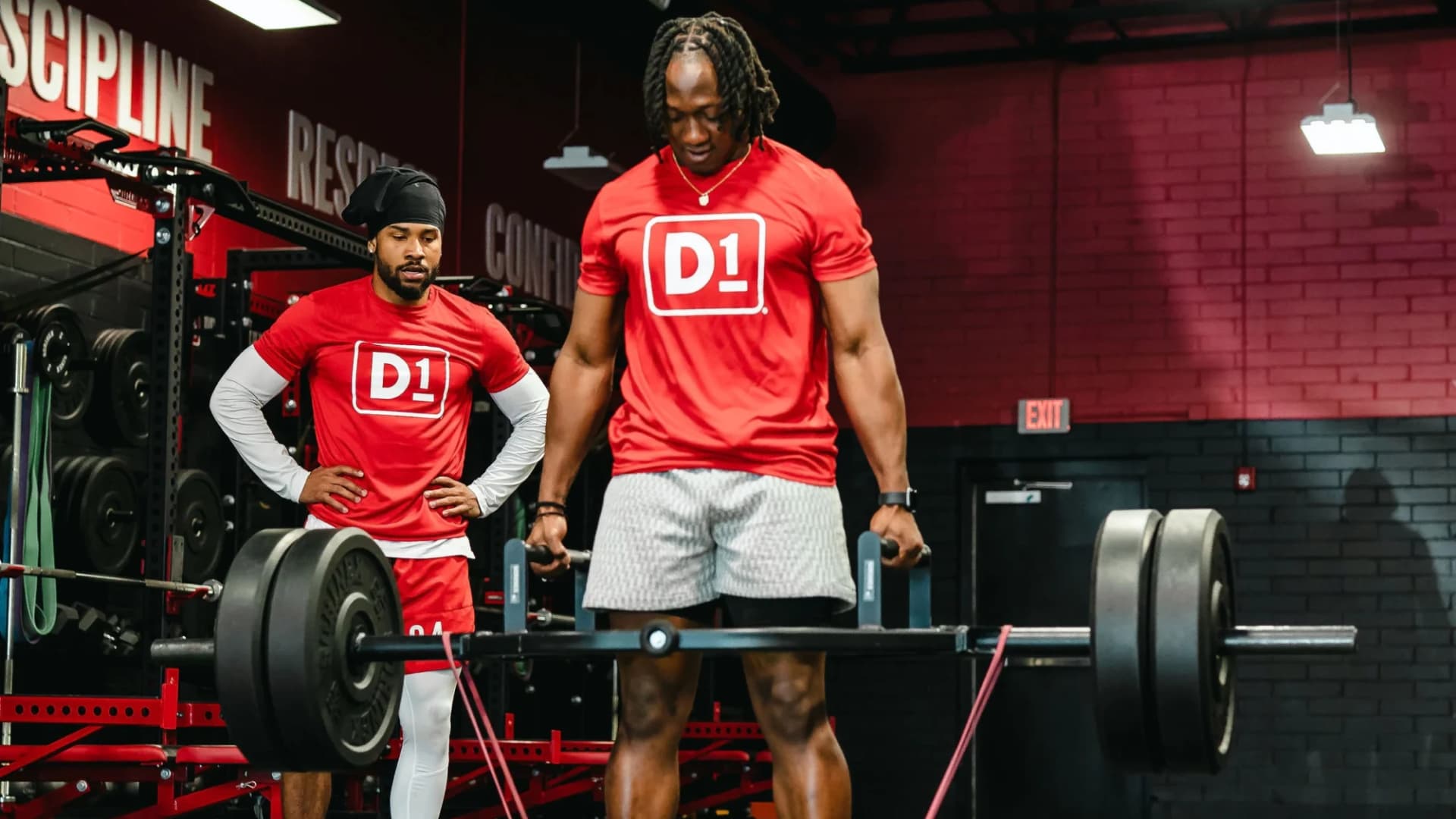
A D1 Training franchise is a coach-led fitness and sports-performance business that serves youth athletes and adults through structured group training, personal training, coaching, and related services. This D1 Training Franchise Review explains the brand’s model, startup costs, ongoing fees, daily operating demands, training structure, facility needs, and owner-fit considerations for aspiring franchisees.
“This article is sponsored by D1 Training and was created in partnership with the brand to provide accurate, compliance-safe information about its business model and franchise opportunity. Nothing in this article should be considered legal, financial, or tax advice. Prospective franchisees should always review the most recent Franchise Disclosure Document (FDD) with qualified advisors before making an investment decision.”
D1 Training is part of the FBA portfolio. The Franchise Brokers Association can help aspiring owners assess the brand’s operating requirements, compare it with other business models, and organize a practical due-diligence process.
What Is the D1 Training Franchise Model?
D1 Training is a fitness franchise centered on athletic-based training for scholastic athletes and adults. D1 Training facilities provide scheduled, coach-led programs that combine group training, strength and conditioning principles, personal training, and related services in a structured facility environment.
D1 Training positions its programs around training methods associated with Division 1 strength and conditioning. The brand’s consumer-facing materials describe services for youth athletes and adults, with sessions led by coaches rather than a self-service gym model.
For a franchisee, D1 Training is a local service business. The owner or designated management team must oversee employees, program delivery, facility operations, sales activity, member communication, and community relationships.
D1 Training facilities may offer:
- Scholastic training for youth athletes
- Adult group training sessions
- Personal training and coaching
- Team-training opportunities where approved
- Related athletic and fitness services
- Branded merchandise and retail items
- Digital scheduling and communication tools
The D1 Training model differs from a basic-access gym because coaching and programmed sessions are central to the member experience. This creates an ongoing need for trained staff, reliable scheduling, quality control, and active local management.
How Does a D1 Training Facility Operate?
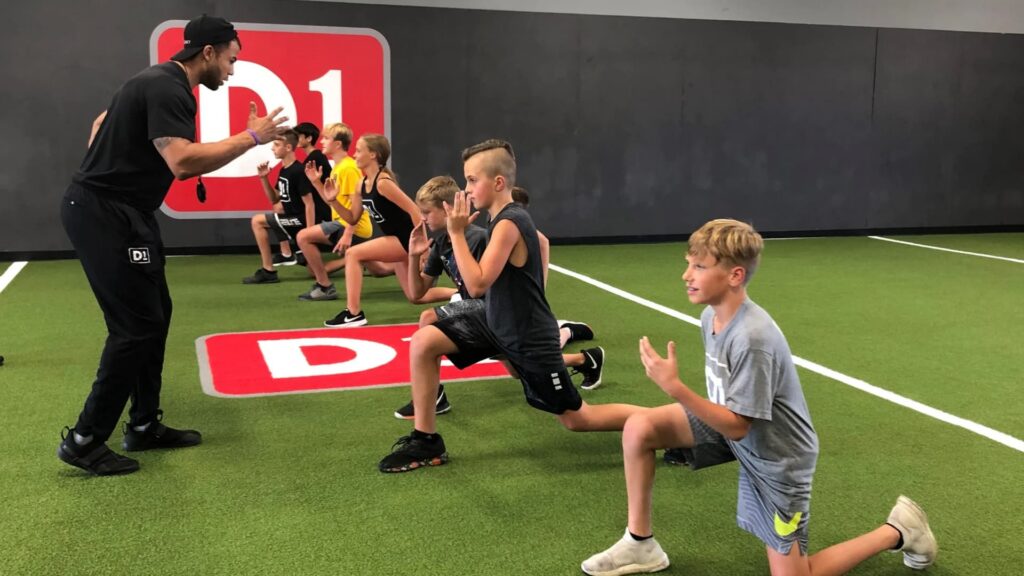
A D1 Training facility operates through scheduled training sessions, coach-led service delivery, membership sales, staff management, and local community engagement. Daily operations require attention to class coverage, member experience, lead follow-up, sales appointments, facility readiness, and compliance with brand standards.
D1 Training facilities may serve different audiences throughout the day. Early mornings can include adult training sessions, while afternoons and evenings may involve scholastic training, parent interactions, private sessions, and team-related activities.
The operating rhythm can vary by market. However, the owner should expect a people-focused business that depends on capable local leadership.
What Does a D1 Training Franchise Owner Do Each Day?
A D1 Training franchise owner is responsible for making sure the facility has qualified leadership, trained coaches, reliable systems, and strong local relationships. Owner-operators may handle many duties personally, while manager-led owners still need consistent oversight of performance, staffing, operations, and customer service.
Typical owner responsibilities may include:
- Reviewing attendance, sales, staffing, and service reports
- Holding the general manager accountable for daily execution
- Recruiting, interviewing, and onboarding employees
- Monitoring coach schedules and certification requirements
- Supporting local marketing and community outreach
- Reviewing lead response and membership-sales activity
- Managing vendors, payroll processes, budgets, and facility needs
A practical example illustrates the role. A D1 Training owner may start the day by reviewing staff coverage and sales appointments. Later, the owner may address a coach absence, tour a prospective member, meet a youth sports partner, review a local marketing campaign, and check on a maintenance issue.
This is not a purely passive operating model. Candidates should ask the franchisor and current franchisees what owner participation looks like in a manager-led location and how the franchisor defines oversight expectations.
What Does a Typical D1 Training Operating Day Look Like?
A typical D1 Training operating day includes facility preparation, coach-led sessions, member service, appointment management, lead follow-up, staff communication, and closing procedures. The exact schedule depends on the local market, staffing levels, programming calendar, approved services, and mix of youth and adult members.
A general manager may confirm staff schedules before the first session begins. During the day, that manager may handle member questions, follow up on new leads, conduct tours, coordinate with coaches, track attendance, and solve technology or billing issues.
After-school periods may require added attention. Youth training often involves communication with parents, close coach supervision, and careful session timing. Adult programming may require a different staffing pattern and sales approach.
Candidates should evaluate whether they enjoy this kind of active, community-facing operation. The D1 Training business model rewards disciplined execution, strong communication, and reliable leadership coverage.
What Does a D1 Training Franchise Cost?
A D1 Training franchise requires a significant initial investment because the model includes commercial real estate, leasehold improvements, specialized equipment, pre-opening payroll, technology, marketing, and initial operating funds. Current official franchise documents estimate the initial investment for one D1 Training facility at $401,776 to $837,381, although actual costs depend on the site, market, construction needs, and financing choices.
The following table summarizes the estimated startup investment stated in current official franchise documents. Candidates should treat these figures as a starting point for due diligence, not as a substitute for reviewing the latest documents and a site-specific plan.
| Estimated Initial Expenditure | Estimated Amount |
|---|---|
| Initial franchise fee | $62,500* |
| Opening support fee | $29,500* |
| Initial marketing spend | $25,000–$35,000* |
| Leasehold improvements | $201,521–$432,413* |
| Real estate services | $5,000* |
| Furniture and fixtures | $1,500–$3,000* |
| Strength and cardio equipment | $4,700–$90,065* |
| Opening inventory and supplies | $2,500* |
| Grand opening kit, merchandise, and apparel | $5,000* |
| Computer equipment and software | $8,555–$9,740* |
| Pre-opening salaries and wages | $29,000–$46,200* |
| Training expenses | $1,000–$4,000* |
| Security deposit | $5,000–$39,463* |
| Three months’ rent | $0–$33,000* |
| Professional fees, permits, and licenses | $4,000–$6,000* |
| Insurance premium | $2,000–$4,000* |
| Additional funds for three months | $15,000–$30,000* |
| Total estimated initial investment | $401,776–$837,381* |
Important context: These figures reflect startup and early operating needs only. They do not indicate financial performance or outcomes.
What Drives the D1 Training Franchise Cost Range?
The D1 Training franchise cost range is mainly driven by leasehold improvements, site conditions, equipment choices, rent-related expenses, labor, local permits, and pre-opening requirements. Candidates should examine each category against the realities of a specific location rather than assuming the low or high end will apply.
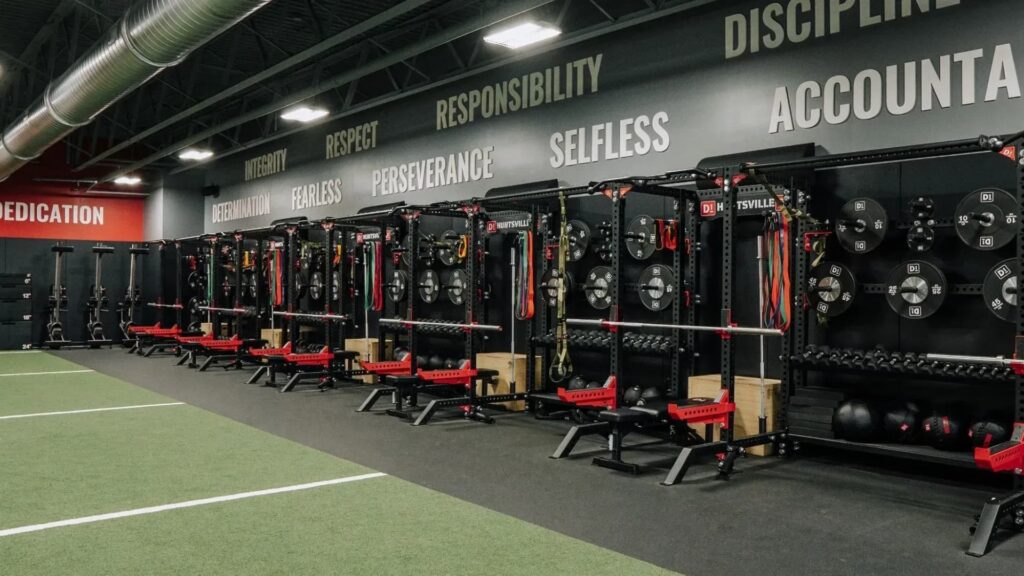
Leasehold improvements make up the largest portion of the disclosed range. A D1 Training facility may require work related to turf, flooring, lighting, reception space, strength-training areas, restrooms, HVAC, signage, safety features, and code compliance.
Equipment is another major variable. Current documents describe required strength and cardio equipment, including a standard setup with multiple squat racks, barbells, benches, weights, and accessories. The stated range can vary depending on whether equipment is financed or purchased outright.
The site itself can also change the budget. A second-generation fitness space may require different work than a retail shell or another type of commercial building. Local construction costs, landlord responsibilities, permit timelines, and utility upgrades can also affect the final amount.
What Ongoing Fees Does D1 Training Charge?
D1 Training franchisees may have recurring obligations for royalties, brand marketing, local marketing, technology, software, communication tools, and other operating services. Candidates should understand when each fee starts, how it is calculated, whether it can change, and whether it is payable to D1 Training, an affiliate, or another required provider.
The table below summarizes selected ongoing and event-based fees described in current official franchise documents. It is not a complete list. Review the latest franchise documents and agreements for full terms, due dates, conditions, increases, and possible additional charges.
| Fee Category | Current Disclosed Amount or Basis | Timing |
|---|---|---|
| Royalty | Greater of 7% of gross sales* or the applicable minimum monthly royalty* | Monthly |
| Brand fund | Greater of $250 per month* or 2% of monthly gross sales* | Monthly |
| Local marketing requirement | Currently $100 per day* | Daily |
| GPS software | $320 per month, plus applicable taxes* | Monthly |
| GPS marketing administration | $999 per month, plus applicable taxes* | Monthly |
| GPS usage fee | Approximately $175 per month, based on usage* | Monthly |
| Technology shared services | $700–$750 per month, plus applicable taxes* | Monthly |
| Construction project management | $30,000 plus $500 technology pass-through fee* | As invoiced |
| Local advertising cooperative | Up to 1.5% of gross sales without additional approval* | If applicable |
| Annual conference fee | Estimated at $1,000* | At registration |
| Transfer fee | $7,500* | If applicable |
| Renewal or successor fee | $15,000* | If applicable |
D1 Training’s current official materials state that certain fees may increase under specified conditions. Candidates should ask for a clear explanation of required technology, digital marketing systems, lead-generation tools, communication fees, software services, affiliate relationships, and usage-based charges.
A useful exercise is to create a recurring-expense checklist. Include royalties, marketing obligations, rent, insurance, payroll, utilities, software, maintenance, merchant processing, supplies, and professional services. This creates a clearer view of operational obligations without treating expenses as predictions of financial outcomes.
The franchisor may provide financial performance information in Item 19 of the FDD; consult the document with a qualified advisor.
What Training and Support Does D1 Training Provide?
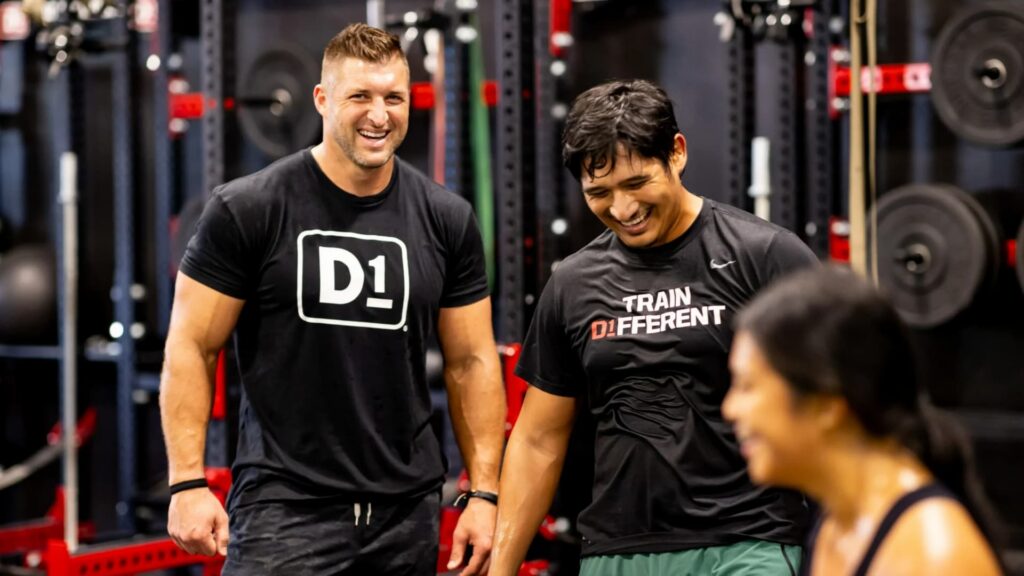
D1 Training states that it supports franchisees in areas such as site selection, buildout coordination, operations, staffing, marketing, technology, and opening preparation. The exact level of support, timing, required participation, vendor relationships, and additional costs should be confirmed through current official franchise documents and direct conversations with the franchisor.
D1 Training’s current brand materials describe training on core operating systems, staff scheduling, billing tools, workout programming, sales processes, and fitness-business procedures. The brand also describes ongoing learning resources, field communication, and support for general managers and coaches.
How Does D1 Training Support the Opening Process?
D1 Training describes an opening process that includes support for site selection, construction coordination, staffing, marketing, technology, training, and facility readiness. The franchisee remains responsible for completing required tasks, but D1 Training and related providers may have defined roles in the process.
Current materials describe support that may include:
- Site-selection guidance and market review
- Construction project-management coordination
- Facility planning and opening-readiness steps
- General manager and coach hiring support
- Operating-system and technology training
- Pre-opening marketing activity
- Digital scheduling and communication tools
- Field support and operational guidance
Candidates should request a written opening timeline. Ask who owns each task, what the expected sequence is, which vendors are required, how delays are managed, and what happens if permits, construction, staffing, or lease negotiations take longer than expected.
What Should Candidates Verify About D1 Training Training?
D1 Training candidates should confirm exactly who must attend training, what each person must complete, how long the training process takes, and whether extra training can create additional costs. Training matters because the facility depends on staff members who can manage people, deliver programs, handle systems, and follow operating standards.
Ask direct questions about:
- Required training for franchisees and designated representatives
- General manager onboarding requirements
- Head coach and coach certification requirements
- Online modules, assessments, and refresher training
- Travel, lodging, and training-related expenses
- Training for replacement managers or coaches
- Field-support access after opening
What Are the D1 Training Territory and Site Requirements?
D1 Training facilities are developed at sites selected by the franchisee and approved under the current D1 Training system. Candidates should understand how a site-selection area, designated territory, or protected territory works because the precise rights and limitations are defined by the franchise agreement, not by general marketing language.
A protected territory is a defined geographic area where a franchisor may limit certain franchise placements or activities. It does not always mean total protection from all business competition. Candidates should review the exact territory language, retained rights, location approval process, and conditions that may affect development or relocation.
Current official materials describe a more efficient site format than earlier D1 Training facilities. The current documents describe facilities generally ranging from approximately 3,700 to 5,000 square feet, with an average go-forward site of about 4,307 square feet. Exact requirements may change, so candidates should rely on current brand criteria.
What Should a D1 Training Site Evaluation Include?
A D1 Training site evaluation should assess market demand, access, visibility, parking, youth sports activity, nearby schools, zoning, building suitability, construction needs, and local competition. A suitable site must support recurring training sessions, coach visibility, safe equipment use, member traffic, and the needs of parents and adult clients.
A thorough site review should include:
- Ceiling height and HVAC capacity
- Floor load and equipment placement needs
- Turf, strength-training, storage, and reception space
- Parking during peak youth and adult training periods
- Signage rights and traffic visibility
- Access from key residential, school, and commercial areas
- Landlord obligations and tenant-improvement terms
- Local permits, inspections, and safety requirements
The official franchise documents note that local jurisdictions may regulate fitness centers, personal trainers, health clubs, memberships, safety equipment, building construction, and permits. Involve qualified local real estate, legal, construction, and licensing professionals before signing a lease.
Who Is a Good Fit for a D1 Training Franchise?
A D1 Training franchise may fit an aspiring owner who is comfortable leading a service business, building community relationships, managing employees, and following a structured operating system. Fitness knowledge may help, but strong management skills, staffing discipline, local sales involvement, and an active leadership plan are also important.
D1 Training’s candidate materials emphasize business acumen, community presence, team-sport familiarity, a commitment to helping people pursue goals, and an interest in developing athletes of character. These qualities align with a business that depends on relationships and consistent facility leadership.
Is Fitness Experience Required to Own a D1 Training Franchise?
Fitness experience is not described as a universal requirement for D1 Training ownership, but the business operates in a coaching-centered fitness environment. A candidate without a fitness background should have a credible plan for hiring, training, supervising, and retaining qualified managers and coaches.
Potential strengths for a D1 Training owner include:
- Business management or leadership experience
- Sales and customer-service confidence
- Comfort hiring and supervising employees
- Interest in youth development and community involvement
- Ability to follow systems and use operational data
- Willingness to support local marketing activity
- A clear plan for management coverage and staff retention
A D1 Training owner should not rely only on enthusiasm for athletics. The operation requires attention to scheduling, payroll, local marketing, sales processes, staffing, facility needs, and member service.
How Does D1 Training Compare With Other Fitness Franchise Models?
D1 Training differs from many fitness franchise models because it centers on coach-led athletic training for both youth and adult clients. When comparing D1 Training with other fitness concepts, candidates should focus on service delivery, staffing, real estate, member mix, schedule demands, local marketing, and ownership involvement.
The following comparison is qualitative. It does not rank franchise models or predict outcomes. It highlights practical differences that prospective owners should investigate with each franchisor.
| Evaluation Area | D1 Training Approach | Questions to Ask When Comparing Concepts |
|---|---|---|
| Core service | Athletic-based scholastic and adult training, coaching, personal training, and related services | Is the concept based on equipment access, group classes, personal training, youth programs, or a hybrid model? |
| Customer mix | Youth athletes, parents, adults, and local athletic communities | Which customer groups use the business most often, and when do they visit? |
| Staffing model | Coach-led programs supported by management and sales functions | How many staff members are needed by daypart, and what training is required? |
| Facility format | Turf and strength-training facility with approved equipment and layout | What footprint, ceiling height, parking, and construction work are required? |
| Owner role | Management oversight, local marketing, staffing, sales, and community engagement | What owner involvement is required in a manager-led location? |
| Lead generation | Brand systems plus local marketing and sales follow-up | What technology, advertising, sales process, and local outreach are required? |
| Site approval | Franchisor review under current site-selection criteria | How does the brand evaluate market demand, territory, access, and competition? |
A helpful comparison method is to picture your working week. Would you be comfortable responding to a coach callout, reviewing local leads, meeting a parent, visiting a community event, discussing staff performance, and handling a facility issue during the same week? If the answer is yes, a coach-led fitness concept may deserve deeper evaluation.
What Due Diligence Should D1 Training Candidates Complete?
D1 Training candidates should complete a structured due-diligence process before signing an agreement, paying a fee, selecting a site, or making a long-term commitment. Strong due diligence combines document review, professional advice, discussions with franchisees, market research, site analysis, and a realistic assessment of the owner’s operating role.
The FTC consumer guide to buying a franchise recommends careful review of franchise disclosure materials and contracts. It also encourages prospective owners to speak with current and former franchisees and consult experienced advisors.
What Should You Ask D1 Training Franchisees?
Current and former D1 Training franchisees can provide practical perspective on staffing, training, construction, local marketing, owner involvement, and daily operations. Candidates should speak with multiple people and ask open questions that invite specific examples rather than simple yes-or-no answers.
Useful questions include:
- What does your weekly owner involvement look like?
- Which employee roles have been hardest to hire or retain?
- How did site selection, permitting, and construction unfold?
- What support did you receive before opening?
- How do you manage coach absences and schedule changes?
- How involved are you in sales and member follow-up?
- What should a new owner understand before signing a lease?
Ask the franchisor for the current contact information for franchisees and former franchisees provided in official franchise documents. Their experiences can differ by market, opening period, staffing structure, and ownership style. Listen for patterns, but avoid treating any individual experience as a forecast.
Which Documents Should a D1 Training Buyer Review?
A D1 Training buyer should review the complete current disclosure document, franchise agreement, all exhibits, state addenda, supplier requirements, technology terms, construction arrangements, and any development agreement. These documents define the franchise relationship and should take priority over verbal explanations or promotional materials.
Review these topics with qualified advisors:
- Initial and ongoing fee obligations
- Required vendor and supplier relationships
- Territory and site-approval provisions
- Training and participation requirements
- Renewal and successor-agreement terms
- Transfer, relocation, default, and termination provisions
- Noncompetition, dispute-resolution, and personal-guarantee clauses
The SBA business guide provides useful general resources for market research, business planning, location evaluation, hiring, permits, insurance, and early-stage business preparation. It is not a substitute for franchise-specific legal or financial advice.
Is D1 Training the Right Franchise Fit for You?
D1 Training may be worth exploring for aspiring owners who want to lead or oversee a local, coach-led fitness and sports-performance facility. The right fit depends on your capital readiness, management plan, staffing approach, local market evaluation, real estate strategy, and willingness to maintain close operational oversight.
Before moving forward, test the D1 Training opportunity against your own skills, schedule, and business preferences. Consider whether you want to manage a team, participate in local marketing, build relationships with parents and coaches, oversee a commercial facility, and follow a structured operating system.
Key decision points include:
- Your comfort managing or overseeing a local service team
- Your plan for hiring a general manager and qualified coaches
- Your interest in youth, family, adult-member, and community relationships
- Your ability to manage site selection, buildout, and opening tasks
- Your understanding of required technology, vendors, marketing, and fees
- Your assessment of local demand, parking, traffic, and facility access
- Your review of current official franchise documents with qualified advisors
For help comparing D1 Training with other ownership models. An experienced consultant can help you structure your research, clarify owner-fit questions, and compare relevant franchise categories.
Frequently Asked Questions About D1 Training
D1 Training franchise candidates often ask about the business model, startup investment, owner involvement, training, site requirements, and ongoing obligations. The following answers are written to match visible page content with the FAQ schema that WordPress and Yoast should generate.
What is a D1 Training franchise?
A D1 Training franchise is a coach-led fitness and sports-performance business that provides athletic-based scholastic and adult group training, personal training, coaching, and related services. D1 Training facilities use structured programming, professional coaching, scheduled sessions, and a strength-and-conditioning-focused environment for youth and adult clients.
The brand describes its consumer offering as training modeled after Division 1 strength and conditioning principles. The operating model combines facility management, coach scheduling, local marketing, membership sales, client service, and community outreach.
How much does a D1 Training franchise cost?
Current official franchise documents estimate that opening one D1 Training facility requires a total initial investment of $401,776 to $837,381. This estimate includes the initial franchise fee, opening support, marketing, leasehold improvements, equipment, payroll, technology, rent-related expenses, professional fees, insurance, and initial operating funds.
Actual D1 Training franchise costs may differ based on the approved site, lease terms, local construction conditions, equipment decisions, permitting needs, and other market-specific factors. Review the latest official franchise documents with qualified legal, financial, and tax advisors before making an investment decision.
What ongoing fees does D1 Training charge?
D1 Training franchisees may have recurring obligations for royalties, brand-fund contributions, local marketing, required technology, software, communication tools, and other operating services. Current official franchise documents also describe certain event-based fees, such as fees connected to transfers, renewals, construction management, training, or other approved services.
The timing, calculation method, and amount of fees can change under the terms of current franchise documents. Candidates should review every recurring obligation, required vendor relationship, and potential fee increase with qualified advisors before signing a franchise agreement.
Is fitness experience required to own a D1 Training franchise?
Fitness experience is not described as a universal requirement for D1 Training franchise ownership, but the business operates in a coaching-centered fitness environment. A candidate without a fitness background should have a clear plan to recruit, train, supervise, and retain qualified managers and coaches who can deliver the brand’s approved programs.
A D1 Training owner also needs strong business-management skills. The role can include staff accountability, local relationship-building, sales oversight, marketing participation, facility management, and review of daily operational reports.
What support does D1 Training provide franchisees?
D1 Training states that it supports franchisees through site selection, buildout coordination, operations, staffing, training, marketing, technology, and opening preparation. Current brand materials also describe digital tools, online learning resources, field communication, and support for general managers and coaches.
The exact support provided can depend on current franchise documents, required participation, vendor arrangements, location status, and the franchisee’s responsibilities. Candidates should request a detailed written explanation of the opening process, training requirements, field support, and services that may create additional costs.