If you’re researching mosquito joe franchise cost, you’re usually trying to answer three core questions: how much it costs to start, what the business looks like day to day, and whether the owner profile fits your goals. Mosquito Joe is a home-based, route-driven outdoor pest control franchise backed by Neighborly®, a major home-services franchise platform, focused on recurring mosquito, tick, and flea treatments for residential and commercial customers across the United States.
This guide breaks down startup investment, ongoing fees, support structure, territory model, and ideal candidate traits based on the 2025 Franchise Disclosure Document (FDD) and official brand materials.
Disclosure: This article was created in partnership with Mosquito Joe to provide accurate, compliance-safe information about the franchise opportunity. Nothing here should be considered legal, financial, or tax advice. Always review the most current FDD with qualified advisors before making an investment decision.
Key Facts at a Glance.
- Founded: 2009 (Virginia Beach, Virginia)
- First franchised: 2012
- Headquarters: Virginia Beach/Norfolk, Virginia
- Parent company: Neighborly (home services franchise platform)
- System footprint (as of Dec. 31, 2024): 415 franchised businesses; 0 company-owned units
- Business model: Home-based, mobile outdoor pest control (mosquito, tick, flea)
- Typical ramp: Many owners start lean with one vehicle and a small team, then add trucks and territories over time
- Training highlight: 5-day “MoJo University” at headquarters + approximately 6–8 weeks of pre-opening support
- Territory structure: Protected territories; services delivered at customer properties (no retail storefront)
Brand Background and Ownership.
Mosquito Joe started in Virginia in 2009 after identifying a simple homeowner frustration: people love their yards, patios, and pools—until mosquitoes make being outside miserable. The brand built its identity around a clear promise: “Make outside fun again®.” What began as a local mosquito control company evolved into a scalable mosquito control franchise model in 2012, with systems designed to support route-based service, recurring seasonal customers, and consistent service standards across markets.
In 2018, Mosquito Joe joined the Neighborly® family of home service brands, expanding its operational infrastructure and support platform. For franchisees, platform backing can matter because it often comes with more developed playbooks, centralized resources, and vendor programs—support that can help owners spend less time reinventing basic systems and more time executing the model.
Being part of a larger platform can also strengthen brand credibility in local marketing, improve access to training and peer best practices, and support technology and process upgrades over time. While every market is different, this type of backing is one reason candidates comparing pest control franchise cost and mosquito franchise opportunity options often evaluate Mosquito Joe alongside other established home-service brands.
The Business Model: What Mosquito Joe Actually Does.
At its core, Mosquito Joe helps homeowners and commercial property managers reclaim outdoor spaces from biting pests. Services typically include:
- Mosquito barrier treatments
- Tick control
- Flea control
- Conventional and plant-based treatment options
- Event sprays (weddings, outdoor gatherings)
- Commercial property service programs
The model is built around:
- Recurring seasonal service: Customers often enroll in scheduled treatments during mosquito season, and many renew year after year.
- Route-based operations: Technicians run optimized routes within a protected territory, improving operational efficiency and route density.
- Relationship and renewal focus: Communication, expectations, and reputation management play a big role in retention.
- Home-based infrastructure: Many franchisees operate from a home office, reducing retail lease overhead.
This structure appeals to many candidates evaluating a mosquito control business opportunity or a mosquito franchise opportunity because the work is delivered at customer properties, not at a storefront.
Mosquito Joe Franchise Cost.
The 2025 Mosquito Joe FDD lists a total estimated initial investment range of approximately: $151,155 to $193,075
These figures reflect startup and early operating needs only. They do not indicate financial performance or outcomes. Financial performance information, if provided, appears in Item 19 of the FDD and should be reviewed with qualified advisors.
Startup Costs and Fees (Item 7)
| Category | Low Estimate | High Estimate | Notes |
| Initial Franchise Fee | $42,500 | $42,500 | One-time initial fee (see Item 5/7 for details). |
| Direct Marketing Program Set Up Fee and Annual Program Fee | $38,000 | $38,000 | Direct marketing program fees as listed in the FDD table. |
| Direct Marketing Program Annual Mailing List Fee | $1,250 | $1,750 | Annual mailing list cost range shown in the FDD table. |
| Local Performance Marketing Investment (12 months) | $35,000 | $35,000 | Local performance marketing investment shown in the FDD table. |
| SEO Program Fee (3 months) | $325 | $975 | SEO program fee range shown in the FDD table. |
| Real Property | $0 | $6,000 | Often home-based; some markets require storage/space solutions. |
| Office Furnishings, Signage & Fixtures | $0 | $2,000 | Admin setup (home office or small space). |
| Tools, Equipment, Products, Uniforms & Supplies | $5,500 | $6,500 | Core equipment/supplies range shown in the FDD table. |
| Vehicle, Shelving & Decals | $3,000 | $10,000 | Vehicle setup/branding range shown in the FDD table. |
| Initial Training | $100 | $2,000 | Training-related expenses range shown in the FDD table. |
| Insurance, Office & Marketing Supplies & Forms | $6,000 | $7,000 | Coverage + admin/marketing materials. |
| Professional Fees | $0 | $1,000 | Legal/accounting setup varies by owner. |
| Licenses | $100 | $3,200 | Licensing varies by state/local requirements. |
| Computer, Internet Devices, Phones, Software Setup | $2,600 | $5,100 | Technology setup range shown in the FDD table. |
| Deposits | $0 | $4,000 | Deposits as applicable. |
| Additional Funds for 3 months | $16,780 | $28,050 | Working capital range shown in the FDD table. |
| Total Estimated Initial Investment | $151,155 | $193,075 | 2025 FDD Item 7 total range. |
Mosquito Joe Franchise Cost Drivers: What Moves the Total.
Mosquito Joe’s startup cost tends to vary based on territory decisions, vehicle/equipment choices, and how aggressively a new owner invests in marketing and staffing early.
Common factors that can affect where you land within the published range include:
- Vehicle acquisition choices: New vs. used, lease vs. own, and how many vehicles you start with.
- Market size and launch plan: Larger territories or multi-territory launches can increase marketing and staffing needs.
- Local licensing and insurance: Permits and premiums vary by state and municipality.
- Home office vs. storage setup: Some markets require more robust storage solutions for equipment and materials.
- Initial marketing strategy: Front-loading local campaigns can increase early working capital needs.
- Hiring timing: Adding technicians earlier increases capacity but raises payroll before routes mature.
These variables help explain why mosquito joe franchise cost can land closer to the low or high end of the disclosed range.
What Does Day-to-Day Operations Look Like?
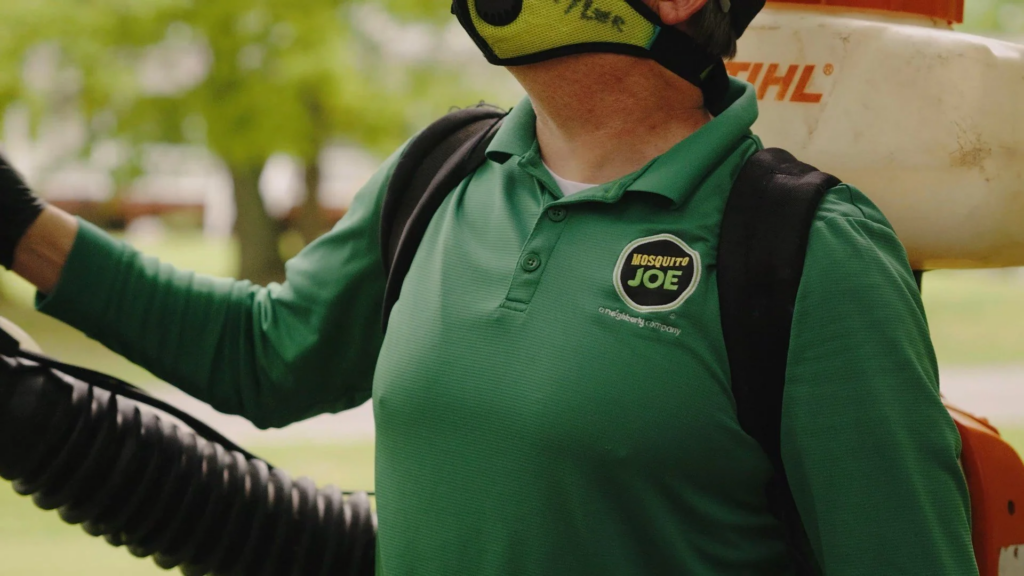
Mosquito Joe operates as a mobile, home-based outdoor pest control franchise built around recurring service routes, with technicians treating customer properties during the season while the owner manages marketing, staffing, scheduling oversight, customer relationships, and quality control.
At a high level, the operating rhythm often includes:
- Managing recurring service schedules and route density
- Following up on leads and converting customers into recurring plans
- Recruiting, onboarding, and training seasonal technicians
- Monitoring service quality, safety compliance, and customer communication
- Managing reviews, retention, and renewals
- Tracking KPIs like route density, customer count, and retention (non-earnings operational metrics)
A Typical Day for an Owner-Operator.
A typical day blends people management, scheduling, sales follow-up, and quality control while technicians perform most field applications. Ownership days often include:
- Morning team huddle: routes, equipment readiness, safety checks, customer notes
- Route oversight: adjusting schedules for weather, traffic, and urgent service needs
- Sales follow-up: responding to inbound leads and converting to service plans
- Customer communication: managing expectations, questions, and online reviews
- Hiring and training: seasonal staffing, onboarding, and performance reinforcement
- Local marketing execution: coordinating digital, mail, and community visibility
- Planning and metrics: reviewing dashboards to support growth decisions
Training, Support, and Technology.
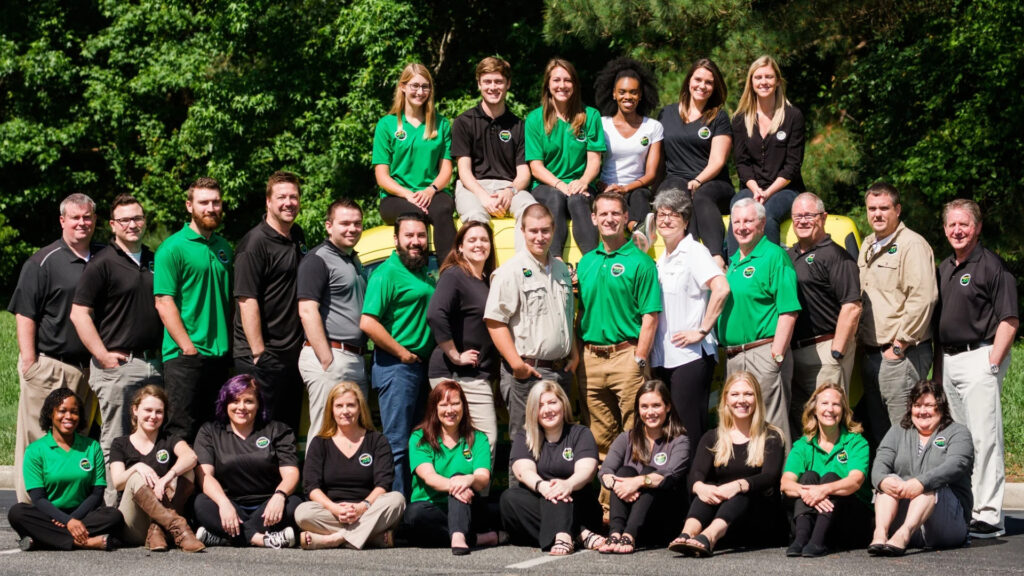
Mosquito Joe franchisees receive initial training (including “MoJo University”), pre-opening support, coaching, centralized call center support, marketing resources, technology platforms, and vendor programs through the broader ecosystem.
Support elements commonly discussed in franchise materials include:
- Initial training: multi-day program covering operations, safety, service standards, and business management
- Pre-opening support: planning, business setup, and launch guidance
- Franchise business coach: regular check-ins and performance planning
- Call center: inbound call handling, lead capture, and service requests
- Marketing support: brand assets plus local marketing guidance
- Technology: CRM/routing platform (ServSuite or successor) and other tools
- Vendor programs: preferred vendors for equipment and supplies
- Ongoing education: webinars, meetings, and continuous training
Due Diligence: What You Should Confirm.
During your discovery process, clarify exactly what training, marketing, technology, and peer-support resources you will receive in year one and beyond.
Questions worth asking include:
- What is the current structure and schedule of MoJo University?
- How much on-site support is included during launch and the first season?
- What KPIs does the coach emphasize, and how often are they reviewed?
- How does the call center integrate with the CRM, and what fees apply?
- What local marketing tactics tend to work best in markets like yours?
- What technology upgrades are planned, and how are costs handled?
- How do preferred vendor prices compare with local retail alternatives?
Territories, Real Estate, and Equipment Requirements.
Territories, real estate, and equipment requirements shape how the business runs day to day—route density, storage needs, and vehicle setup. They can also influence your mosquito joe franchise cost, so it’s worth confirming what’s required versus what varies by market in the current FDD.
Real estate profile.
Many owners operate from a home office or small non-retail space since services are delivered at customer properties. Secure storage for equipment and materials may be required depending on local rules, and any storage location should meet local zoning and compliance requirements.
Territory protection.
Mosquito Joe franchisees are typically granted protected territories defined in the franchise agreement (and described in the FDD). Confirm:
- Territory boundaries and definition method (ZIP codes, mapped areas, etc.)
- Exclusivity terms and any exceptions
- Multi-territory expansion options
- How cross-brand referrals work in your market
Equipment and vehicles.
A Mosquito Joe franchise usually requires at least one branded vehicle plus professional-grade sprayers, safety gear, and treatment-related supplies. Exact specifications and requirements are detailed in the FDD and operations manual.
Before you decide, verify territory boundaries, storage rules, and vehicle/equipment requirements in writing. These details affect both operating complexity and early-stage planning, especially if you’re comparing multiple mosquito or pest control franchise options.
Ideal Owner Profile and Time Commitment.
The ideal Mosquito Joe owner is typically a relationship-driven, systems-oriented leader who is comfortable with a seasonal, field-service business and prepared for full-time focus during peak months—especially in early seasons.
Traits that often align well include:
- Customer-service mindset and comfort building local trust
- Systems discipline (following playbooks and using CRM tools)
- Team leadership (recruiting, training, and motivating technicians)
- Comfort with seasonality and planning around peak months
- Willingness to execute local marketing consistently
- Interest in building a multi-season asset, not just buying a job
Over time, some owners aim to shift into more managerial oversight after building a reliable team, subject to the brand’s standards and what the model supports in practice.
How Mosquito Joe Compares to Similar Franchise Options.
Compared with many mosquito control franchise opportunity options and broader pest control franchise for sale listings, Mosquito Joe is often discussed for:
- Home-based operations (often lower retail overhead)
- Seasonal route density and recurring service structure
- Platform support resources and shared vendor relationships
- A focused service mix aimed at outdoor pest pressure
If you’re considering buying a Mosquito Joe franchise versus other mosquito franchises or a broader pest control franchise cost comparison, a structured evaluation process can help you compare obligations, owner role, seasonality, and territory terms side by side.
FAQ About the Mosquito Joe Franchise.
How much is a Mosquito Joe franchise?
The 2025 FDD lists a total estimated initial investment range of approximately $151,155 to $193,075. Exact totals vary by market, vehicle choices, marketing intensity, staffing plan, and local licensing needs.
What is the Mosquito Joe franchise fee?
The 2025 FDD table shown here lists an Initial Franchise Fee of $42,500. Confirm the current fee and any incentives in the latest FDD Items 5 and 7.
Does Mosquito Joe provide Item 19 financial performance information?
The franchisor may provide financial performance information in Item 19 of the FDD. Review Item 19 carefully with qualified advisors and treat it as bounded disclosure—not a prediction.
Do I need prior pest control experience to own a Mosquito Joe franchise?
Prior pest control experience is often not required, but you should expect to learn equipment, safety expectations, regulations, and operations through training and ongoing support.
Is Mosquito Joe a home-based franchise?
Many franchisees operate from a home office with no retail storefront. Storage and handling requirements may vary based on local regulations.
What territories are available if I’m interested in a Mosquito Joe franchise for sale?
Availability changes over time. Confirm current open territories and any resale opportunities directly through the brand’s process and current listings.
Is Mosquito Joe the Right Fit for You?
Mosquito Joe can be a fit for candidates who want a home-based model, like route-driven operations, and are comfortable managing people, marketing, and systems rather than doing all fieldwork personally.
You may be well aligned if:
- You enjoy building relationships with homeowners, HOAs, and local businesses
- You can lead technicians and maintain service standards
- You like operating with playbooks, CRM tools, and repeatable routines
- You’re prepared for hands-on involvement during early seasons
- You’re comfortable with a seasonal operating rhythm
You may want to proceed cautiously if:
- You prefer a strictly year-round rhythm without seasonal peaks
- You’re uncomfortable supervising chemical handling and field teams
- You want a retail storefront model with walk-in traffic
For many candidates, comparing Mosquito Joe with other mosquito control franchise and pest control franchise cost options is easier with a structured process.