iFoam is an insulation franchise built around spray foam insulation and related services for residential and commercial customers. It’s a field-based model (not a storefront) and tends to be more equipment- and crew-intensive than many lighter home-service businesses—so the right fit is usually an operator who can manage both sales conversion and production delivery.
Disclosure: This article is sponsored by iFoam and created in partnership with the Franchise Brokers Association (FBA). This content is for general educational purposes only and is not legal, financial, or tax advice. Prospective franchisees should review the most current disclosure materials with qualified advisors before making an investment decision.
Founder Story: Jonathan Roll and the iFoam Franchise Origin.
Jonathan Roll didn’t set out to become the founder of a spray foam company. The brand’s origin story starts with a hands-on family project: Jonathan’s father purchased a spray foam machine and materials and tasked Jonathan with insulating their family home. Determined to do it well, Jonathan attended classes to learn the trade and worked through the challenges of insulating a large property—building competence through real job experience.
Rather than making a single leap into “full-time spray foam,” he grew steadily—selling one job at a time, delivering strong results, and building a reputation through consistency. That approach is still reflected in how iFoam positions its values: hard work, keeping your word, professionalism, clear communication, and customer satisfaction.
For buyers, the value of this story isn’t inspiration—it’s context. Insulation businesses tend to win when they run on process and reputation, because referral partners, builders, and homeowners remember teams who communicate well, show up prepared, and leave a clean install behind.
HorsePower Brands and HOWIE.
iFoam is positioned as a HorsePower Brands company and part of HOWIE, the consumer-facing family of home-service brands. For an operator, that matters less as a label and more in what it can influence behind the scenes.
What this can mean in practical terms.
- Standardized systems: shared expectations around process, tools, training structure, and reporting.
- Marketing infrastructure: playbooks, templates, and guidance that can be consistent across brands.
- Operational maturity: multi-brand platforms often build repeatable onboarding and coaching rhythms.
- Vendor ecosystems: preferred vendors and bundled tools can simplify decisions (but may reduce flexibility).
What to confirm during diligence.
- Which tools and vendors are required versus optional
- Whether lead handling is purely local or influenced by any centralized pathways
- What brand standards you must follow (and what autonomy you keep)
The goal isn’t “platform is good/bad.” The goal is clarity on what’s standardized, what’s flexible, and what you’re responsible for executing locally.
What Services Does the iFoam Franchise Offer?
iFoam is positioned as an ifoam insulation provider that can serve multiple customer types with a broad insulation menu. That breadth can help diversify lead sources, but it also increases the importance of training, crew quality, and jobsite execution.
Residential and commercial insulation work.
- Residential work often includes comfort and efficiency improvements, retrofit jobs, and replacement needs (depending on what services are offered in your market). These jobs are typically shorter-cycle: a homeowner call or inspection → estimate → scheduled install.
- Commercial work can involve larger scopes and longer sales cycles, with more stakeholders and scheduling constraints. It may require stronger documentation, safety compliance, and project coordination—but can also create repeat customers.
Spray foam insulation and add-on services.
Most markets treat spray foam insulation as the flagship service, with add-ons that expand your ability to solve “whole building” insulation needs. Typical services described in brand materials include:
- Spray foam insulation (core)
- Batt and blow-in insulation
- Air sealing
- Insulation removal
- Crawl space-related insulation work (market dependent)
- Energy assessments and consultative inspections
- Commercial insulation projects (market dependent)
What this means for the owner: As you broaden the service mix, estimating accuracy and crew training become even more important. Strong operators learn which job types are most reliable in their local market and build repeatable processes around those.
iFoam Franchise Business Model.
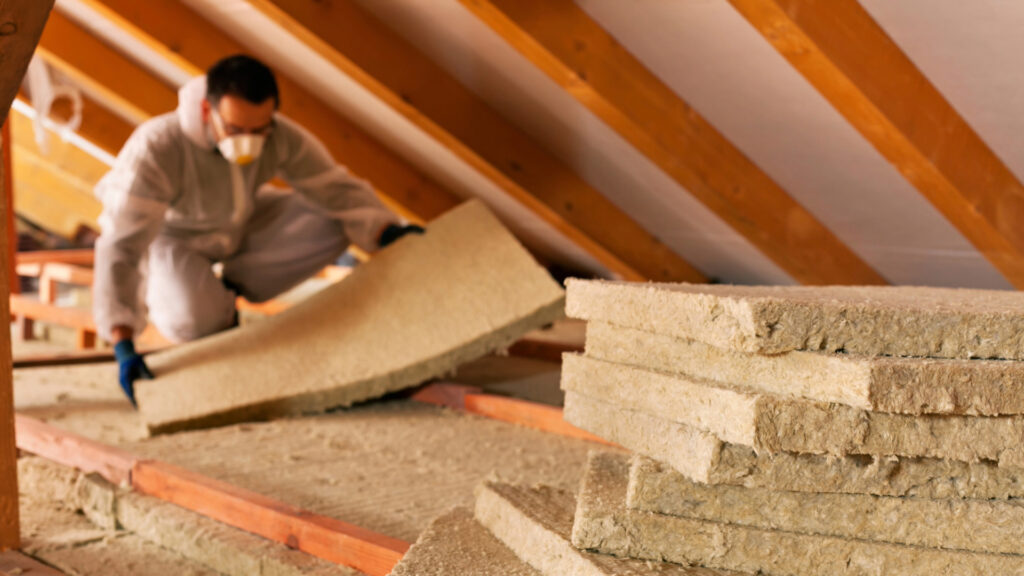
The ifoam franchise is a field-service model built around a pipeline: marketing execution → lead response → estimating → scheduling → production delivery → quality control → reputation.
How jobs move from lead to install
A practical workflow looks like this:
- Lead intake and follow-up
Calls, forms, referrals, contractor relationships. Speed matters. - On-site evaluation and quoting
Consultative selling: diagnosing needs, explaining options, and setting expectations. - Production scheduling
Align crews, rigs, job duration, and travel time. - Install execution
Quality, safety, documentation, and cleanup are non-negotiable—especially for referral-driven growth. - Billing, collections, and reputation
Reviews, warranty handling, and follow-through often determine whether marketing gets easier over time.
What does a typical owner-operator day look like?
Most owners spend the bulk of their time on sales, scheduling, production oversight, and quality control—not personally installing every project.
A realistic owner schedule often includes:
- Reviewing leads, following up, and confirming appointments
- Running on-site evaluations and closing jobs
- Scheduling crews and managing calendar capacity
- Checking jobsite quality and enforcing safety standards
- Managing equipment readiness and downtime prevention
- Handling customer updates and issue resolution
- Reviewing KPIs and job profitability at a high level
- Coordinating vendors and supplies
iFoam Franchise Cost.
For buyers researching ifoam franchise cost, the most useful question isn’t just “What’s the range?” — it’s what drives the range and which line items tend to matter most in real life (equipment, space, insurance, and runway). The 2025 disclosure materials list a total estimated initial investment of:
Item 7 startup cost highlights.
This table keeps the focus on the largest, most decision-driving categories:
| Cost category | Low | High |
| Initial franchise fee | $59,500 | $59,500 |
| Vehicles (major equipment line) | $76,079 | $87,491 |
| Insurance (first 90 days) | $10,000 | $15,000 |
| Opening package | $19,210 | $24,980 |
| Rent & utilities (first 90 days) | $10,000 | $20,000 |
| Brand marketing fee (one-time) | $15,500 | $15,500 |
| Initial marketing + local advertising (first 90 days) | $20,000 | $20,000 |
| Additional funds (first 90 days) | $20,000 | $40,000 |
| Total estimated investment | $250,293 | $337,275 |
What drives the investment range up or down.
The spread between low and high tends to come from practical launch choices:
- Equipment/vehicle approach (timing, configuration, how fast you scale capacity)
- Facility footprint (smaller setup vs warehouse/light-industrial needs)
- Insurance realities (market pricing and coverage requirements)
- Working capital posture (how conservative you want to be on runway)
- Hiring ramp (faster team build = higher early cash needs)
iFoam Franchise Fees and Ongoing Costs.
Fee schedules can get long fast. The most practical way to evaluate the ifoam franchise is to focus on recurring obligations that shape monthly cash flow.
| Fee | What it is | Typical amount / structure |
| Royalty | Ongoing franchise royalty | Tiered % structure with a minimum monthly royalty |
| Minimum royalty | Royalty “floor” | $500/month starting after the first-year anniversary |
| Technology fee | Required tech stack | $600/month |
| Digital management fee | Website/digital management | $500/month |
| Local advertising requirement | Required ongoing local spend | After first 90 days: greater of $2,000/month or 5% of monthly gross revenues |
How to think about royalties, marketing, and tech fees.
A simple way to model this:
- Treat required marketing as an operating reality (not optional).
- Treat tech/digital as overhead you carry even in slower months.
- Assume your early months are about building conversion discipline—marketing spend only works if lead handling and estimating are consistent.
Territory and Operations Setup.
This is one of the biggest differences between iFoam and lighter home-service concepts: territory planning + equipment planning are central to the model.
Protected territory basics.
A protected territory structure usually means your growth plan is tied to a defined market area rather than “serve whoever calls.” The practical diligence questions are:
- how the territory is defined (zip codes, population, radius, etc.)
- what exceptions exist (accounts, channels, out-of-area work)
- how expansion works if you add territory later
Facility needs and storage.
Even when the business isn’t retail, insulation operations often need a functional base of operations. In many markets, that can look like a warehouse/light-industrial footprint used for:
- staging materials and equipment
- crew start/stop efficiency (time savings matter)
- secure storage and organized inventory flow
- parking for trucks/trailers and jobsite load-out
Vehicles and equipment requirements.
The ifoam franchise cost is heavily influenced by vehicles/equipment because capacity is often “rig-limited.” The practical implication:
- selling more jobs means you need enough production capacity to deliver on schedule
- equipment uptime and crew readiness become performance multipliers
- staffing plans should be tied to production capacity (not just lead volume)
Training and Support for iFoam Franchisees.
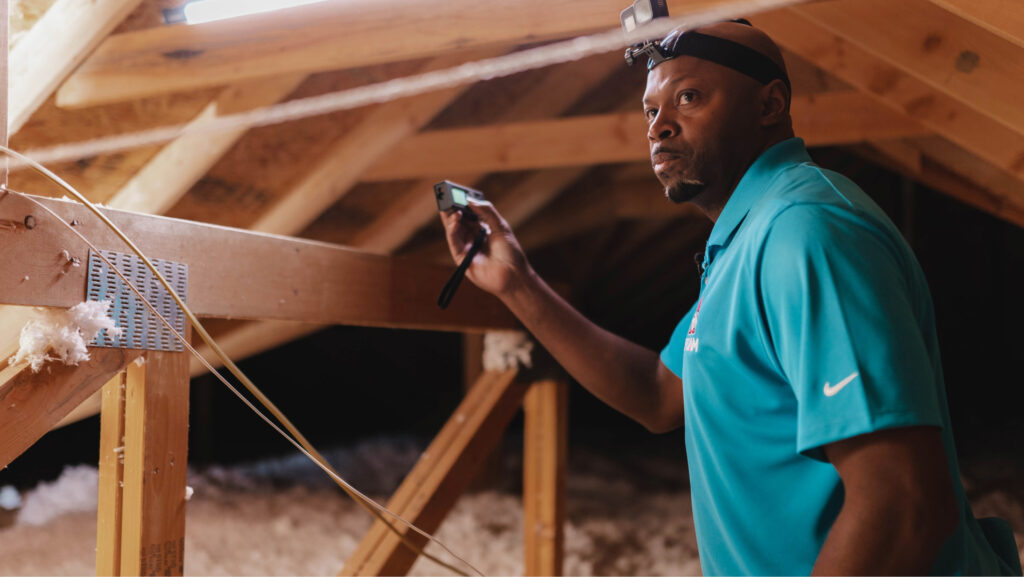
In a spray foam insulation franchise, “support” matters most in the areas that prevent costly mistakes: estimating accuracy, jobsite execution, safety, and production scheduling.
Technical execution and jobsite standards.
Expect training to focus on the basics that reduce rework:
- prep and containment expectations
- safety procedures and jobsite discipline
- equipment readiness and maintenance routines
- install standards so crews don’t “freestyle”
Estimating and sales process.
Insulation jobs can swing widely based on scope. Strong systems teach:
- how to scope a job clearly (so production matches what was sold)
- how to explain options and set expectations
- how to avoid “quote gaps” that turn into margin leaks later
Launch rhythm and coaching.
The most valuable support is often what happens after training:
- cadence during early launch (marketing execution, conversion tracking, production planning)
- coaching around staffing and scheduling as volume increases
- quality checks and corrective actions that tighten standards fast
Who Is the iFoam Franchise a Good Fit For?
The ifoam franchise tends to fit active operators who can lead people and manage execution—especially during launch.
Strong-fit traits.
- People management and leadership
- Operational discipline and systems follow-through
- Comfort with consultative local sales
- Willingness to manage crews, scheduling, and jobsite standards
- Calm, organized decision-making in a fast-paced environment
Who should be cautious.
- Anyone seeking a low-equipment concept
- Anyone who doesn’t want to manage field labor or subcontractors
- Anyone expecting a mostly passive model early on
- Anyone uncomfortable with a structured sales + operations cadence
If you want help matching owner style to model demands before you go deeper, you can use FranPath Live or start with the Zorakle Assessment.
iFoam Franchise Due Diligence Checklist.
These diligence checks protect you from common “looks great on paper” problems in insulation businesses: underestimating production complexity, overestimating capacity, and overspending on marketing before conversion is disciplined.
Sales + conversion.
- How are leads handled day-to-day, and what follow-up cadence is expected?
- What does a “clean estimate” include (scope clarity, expectations, change-order policy)?
Production reality.
- What does a realistic first 90–180 days look like for staffing and scheduling?
- How is quality monitored, and how are issues corrected quickly?
- What causes most callbacks, and how do top operators reduce them?
Capacity and equipment.
- What is the standard equipment/vehicle configuration for a territory like yours?
- What triggers the next capacity step (more crew, additional rig, additional territory)?
Marketing spends effectiveness.
- What marketing is required vs optional?
- What channels tend to work early, and which usually take time to mature?
- How is marketing performance tied to conversion discipline?
How the iFoam Franchise Compares to Other Insulation Franchise Opportunities.
Compared to broader home-service franchises, iFoam is more specialized and equipment-heavy. Compared to lighter field-service concepts, it typically requires more jobsite oversight and production management.
Useful comparison points across spray foam insulation franchise options:
- Service menu depth (spray foam only vs broader insulation + energy services)
- Equipment requirements and replacement cycles
- Crew skill requirements and safety oversight
- Required marketing spend and how lead generation is supported
- Owner role: selling + managing production vs mostly managing
iFoam Franchise FAQ.
Is iFoam a home-based franchise?
The model is field-service and often involves space and equipment considerations. Confirm the typical footprint required in your market.
Does iFoam offer a protected territory?
Brand materials describe a protected-territory model. Confirm boundaries and exclusions in the agreement.
What services does the ifoam insulation model sell?
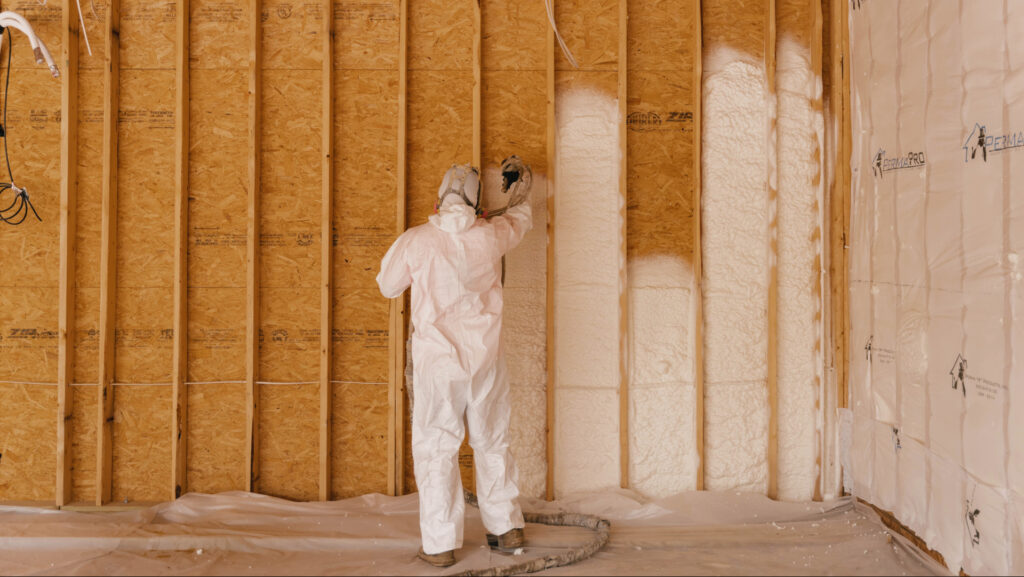
Spray foam insulation plus related services such as batt/blow-in, air sealing, insulation removal, crawl space work, and commercial projects depending on market.
Does iFoam provide financial performance information?
If performance information is provided, review it directly in the disclosure materials with qualified advisors and avoid relying on summaries.
Is the iFoam Franchise Worth Exploring?
The ifoam franchise can be a strong option for the right operator because insulation demand can be steady and the model is built around consultative selling plus disciplined production. The same structure can feel heavy for buyers who want a simpler, low-equipment, low-crew operation.