This Heart To Home Meals Franchise Review examines a senior-focused frozen meal delivery business, including startup costs, fees, training, territories, and owner responsibilities. The model combines temperature-controlled storage and delivery with customer service and community outreach. Prospective owners should assess operational fit and review current official franchise documents with qualified advisors.
The service helps customers access prepared meals without shopping for ingredients or cooking from scratch. For owners, however, the work extends beyond the doorstep. Reliable delivery depends on organized inventory, maintained equipment, clear communication, and consistent follow-through.
This article is sponsored by Heart To Home Meals and was created in partnership with the brand to provide accurate, compliance-safe information about its business model and franchise opportunity. Nothing in this article should be considered legal, financial, or tax advice. Prospective franchisees should always review the most recent Franchise Disclosure Document (FDD) with qualified advisors before making an investment decision.
What is the Heart To Home Meals franchise business model?
Heart To Home Meals is a frozen meal delivery franchise serving seniors and other customers who need or prefer prepared meals at home. Franchisees purchase approved products, maintain frozen inventory, and deliver customer orders. The ownership model combines logistics and customer relationships rather than restaurant service or on-site meal preparation.
The U.S. franchisor is HTHM Franchising, LLC, which operates within the apetito group structure. Its official documents state that the U.S. franchise offering began in February 2024.
That distinction matters. The group’s established food-service background and the U.S. franchise system’s operating history are separate considerations.
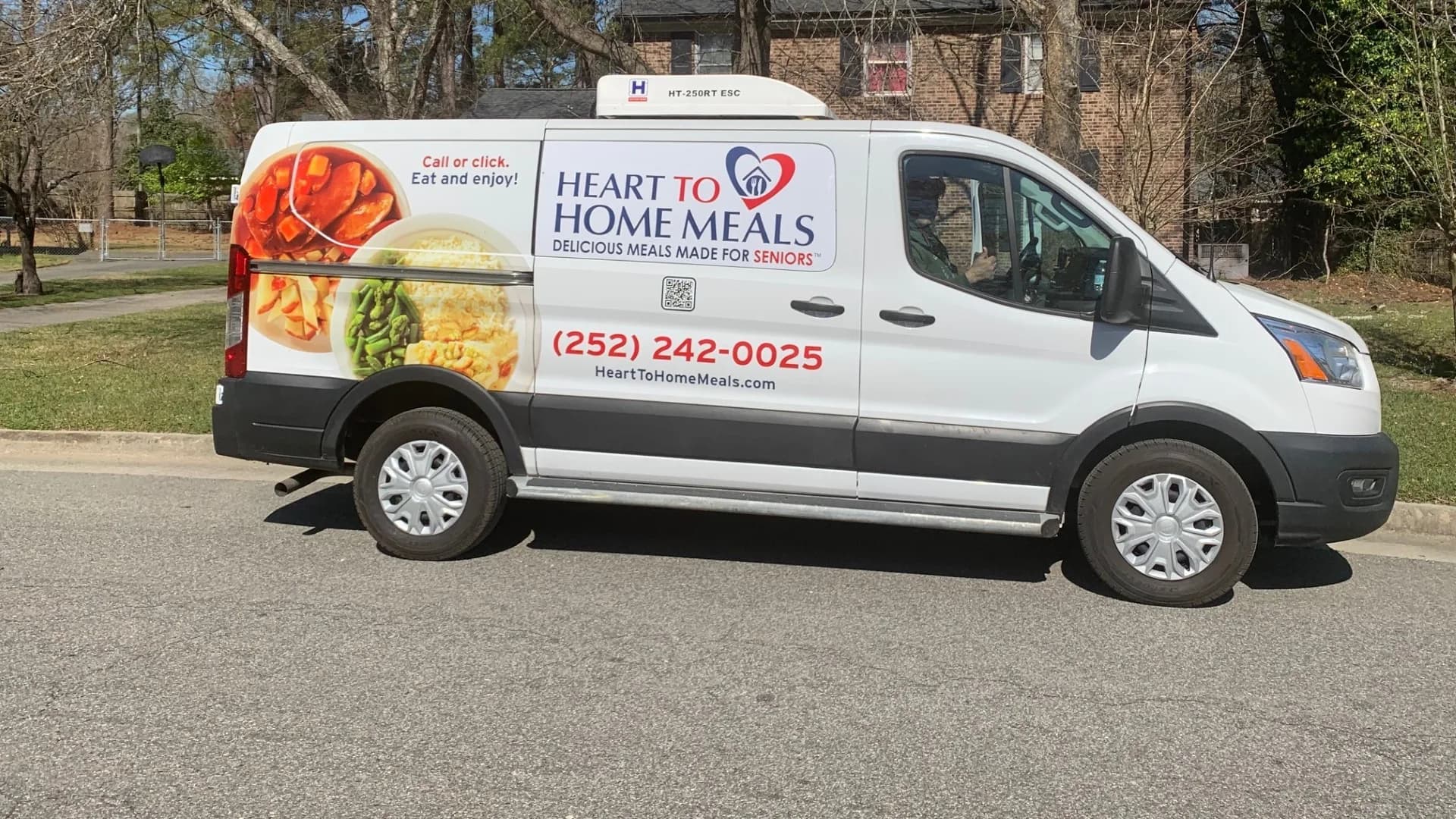
The franchise operates from an approved location with commercial frozen storage and a freezer-equipped delivery vehicle. A customer-accessible facility is not permitted under the documents reviewed.
Customers store the prepared meals frozen and heat them at home. Owners manage the local ordering and delivery experience, not clinical care. Therefore, customer conversations should remain within approved product information and service guidance.
Candidates exploring the Heart To Home Meals franchise opportunity should ask to see the ordering process, inventory system, and delivery workflow.
How much does a Heart To Home Meals franchise cost?
Heart To Home Meals has an estimated initial investment of $134,750–$345,850 in the official franchise documents reviewed. That range includes the franchise fee, equipment, opening inventory, training-related expenses, and early operating funds. Freezer acquisition, vehicle arrangements, and premises preparation are major reasons the low and high estimates differ.
The following table separates each disclosed startup expense into low and high estimates. These figures support planning, but they are not quotes for a particular property or territory.
| Expenditure | Low estimate* | High estimate* | Practical context |
|---|---|---|---|
| Initial franchise fee | $40,000* | $40,000* | Paid when signing |
| Application fee | $250* | $250* | Background and credit checks |
| Permits and licenses | $500* | $1,000* | Applicable government requirements |
| Leasehold improvements, furniture, fixtures, and equipment | $2,000* | $25,000* | Preparing the operating location |
| Freezer | $30,000* | $130,000* | Commercial frozen storage |
| Freezer-equipped delivery vehicle with wrap | $8,000* | $55,000* | Approved delivery vehicle |
| Supplies | $2,000* | $2,000* | Operating supplies and small equipment |
| Computer hardware | $1,500* | $2,000* | Ordering and inventory systems |
| Miscellaneous opening costs and rent | $2,000* | $5,000* | Initial premises and opening expenses |
| Opening inventory | $14,400* | $14,400* | Approved meal inventory |
| Initial marketing launch kit | $2,000* | $2,500* | Launch and demonstration materials |
| Initial training travel and living expenses | $2,000* | $2,000* | Attendee travel and accommodation |
| Trainee compensation during training | $1,200* | $3,000* | Compensation for training attendees |
| Deposits | $1,000* | $1,500* | Required deposits |
| Professional entity-organization fees | $2,000* | $5,000* | Legal and accounting assistance |
| Insurance | $900* | $1,800* | Initial coverage costs |
| Additional funds | $25,000* | $55,400* | First three months of operations |
| Total estimated initial investment | $134,750* | $345,850* | Complete disclosed startup range |
These figures are estimates drawn from current official franchise documents and may change. Prospective franchisees should review the latest Franchise Disclosure Document and franchise agreement with qualified legal, financial, and tax advisors before making a decision.
These figures reflect startup and early operating needs only. They do not indicate financial performance or outcomes.
Equipment choices affect the budget. For example, a used freezer and a leased vehicle involve different purchasing and maintenance arrangements than new equipment.
Premises also matter. Electrical work, loading access, installation, and local approvals can change the scope of preparation.
What should a Heart To Home Meals Franchise Review explain about fees?
A Heart To Home Meals Franchise Review should distinguish the absence of a product-sales royalty from other required charges and expenditures. Owners still purchase inventory, fund local marketing, and pay software and applicable delivery charges. Official documents also reserve certain future fees, so “no royalty” does not mean ownership has no ongoing obligations.
The table highlights important fees from the official franchise documents. Initial charges already included in the startup table should not be added twice.
| Fee or obligation | Amount or calculation* | When it applies |
|---|---|---|
| Initial franchise fee | $40,000* | Signing; non-refundable |
| Application fee | $250* | Application process, subject to disclosed timing |
| Opening inventory | $14,400* | Before opening |
| Marketing launch kit | $2,000–$2,500* | Initial launch |
| Product-sales royalty | No royalty on product sales | As described in official documents |
| Wholesale inventory purchases | Variable approved product prices | Ongoing replenishment |
| Delivery fee to operating location | Currently $500 monthly* | Begins the month after the first opening anniversary; subject to change |
| Local marketing expenditure | At least 3% of contract-defined Gross Sales* | Annual spending requirement |
| Marketing fund contribution | Not currently assessed; 2%–5% if established* | Subject to notice and official terms |
| Technology fee | Currently $180 monthly*; disclosed ceiling of $500 monthly* | Required software licensing; confirm separate support charges |
| Replacement manager training | Currently $2,000 per attendee*, plus expenses | When replacing a trained manager |
| Additional training | Currently $150 hourly*, plus trainer expenses | Assistance beyond included training |
| Renewal fee | 50% of the then-current initial franchise fee* | Conditional renewal |
| Transfer fee | 50% of the then-current initial franchise fee* | Qualifying transfers, subject to exceptions |
These figures are estimates drawn from current official franchise documents and may change. Prospective franchisees should review the latest Franchise Disclosure Document and franchise agreement with qualified legal, financial, and tax advisors before making a decision.
“Gross Sales” is the contract-defined calculation base for specified obligations. Its definition and exclusions require review with an advisor.
The brand’s documents include additional event-based charges and adjustment provisions. Ask which fees apply immediately, which begin later, and which may be introduced after notice.
What does daily operation of Heart To Home Meals involve?
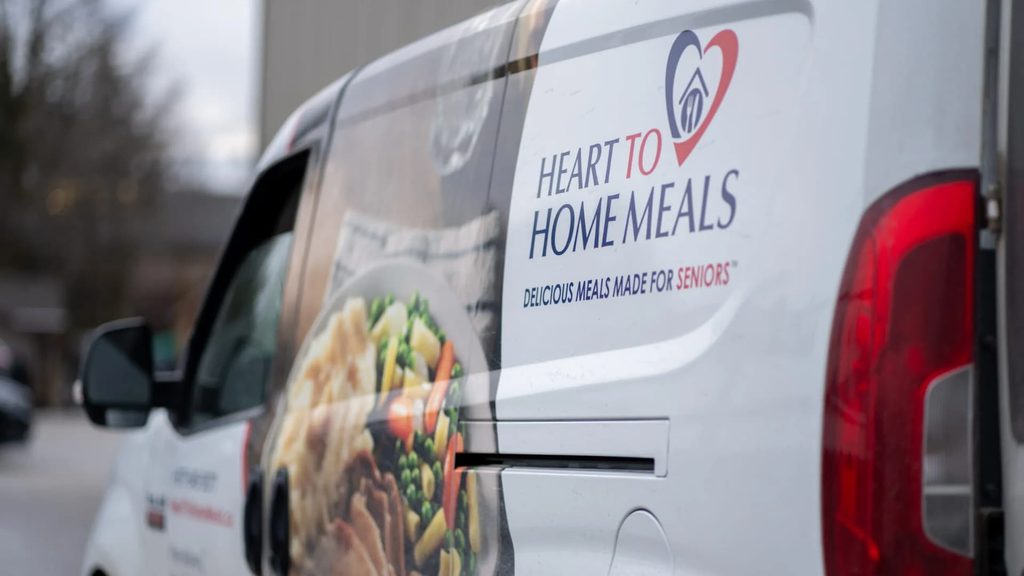
Heart To Home Meals owners coordinate frozen product deliveries, storage, order preparation, customer communication, and local outreach. They also oversee equipment maintenance, records, and operating standards. The practical question is whether a candidate can manage these connected responsibilities during a normal delivery day and when staffing or equipment problems interrupt the schedule.
An illustrative morning could involve reviewing orders, checking freezer conditions, and preparing a delivery route. Later tasks might include customer callbacks, stock reconciliation, or a community presentation.
These are workflow examples, not a prescribed schedule or firsthand account.
Core responsibilities include:
- Inventory: Track stock, availability, and replenishment needs.
- Storage: Maintain freezer conditions and service arrangements.
- Routing: Coordinate deliveries around geography and customer availability.
- Vehicles: Maintain refrigeration equipment and vehicle presentation.
- Customers: Resolve ordering questions and delivery concerns.
- Records: Complete operating reports and required documentation.
The franchise depends on the cold chain, meaning appropriate temperature control during storage and transportation. A missed equipment alert can disrupt more than one order.
Review the FDA food transportation guidance with qualified advisors. Confirm applicable federal requirements, local permits, inspections, and documented response procedures.
What training and support does Heart To Home Meals provide?
Heart To Home Meals provides initial training in products, equipment, daily operations, inventory, customer service, administration, and marketing. Its disclosed program combines classroom instruction with practical learning for the owner-operator and another designated participant. Ongoing consultation is also described, but candidates should verify which services are contractual commitments and which depend on circumstances.
The training schedule lists 40 hours: 19 classroom hours and 21 on-the-job hours. Initial tuition is included in the franchise fee.
However, franchisees pay attendees’ travel, living expenses, and compensation. Replacement-manager training and additional assistance may carry separate charges.
The brand’s official documents describe supplier information, marketing advice, operational consultation, and periodic evaluations. Owners remain responsible for staffing and running their businesses.
Make training questions practical. Ask how the program handles freezer alarms, missed deliveries, inventory discrepancies, and customer complaints.
Also request a software demonstration. Reviewing a sample order from entry through delivery can clarify how the systems support daily work.
How do Heart To Home Meals territories and premises work?
Heart To Home Meals assigns an operating territory, but its official documents state that the territory is not exclusive. Candidates must examine boundaries, reserved distribution rights, and conditions that can affect territorial rights. The approved premises must also accommodate commercial frozen storage, product deliveries, and convenient parking for the delivery vehicle.
A territory is the geographic area assigned for operating and marketing the business. It is not automatically a protected territory that prevents all overlapping activity.
The franchise generally defines boundaries using ZIP codes. Its documents reserve other distribution rights and allow territorial changes under specified conditions.
A home-office location may be possible. However, “home-based” does not remove freezer, access, parking, or approval requirements.
Site approval also differs from property-selection assistance. Owners remain responsible for finding premises, reviewing zoning, obtaining permits, and arranging installation.
Before signing a lease, have qualified professionals evaluate electrical capacity, loading access, freezer placement, and emergency maintenance arrangements. Ask counsel to explain the territory attachment and relevant service obligations.
Who is a suitable Heart To Home Meals franchise owner?
Heart To Home Meals may suit an aspiring owner who values senior service and enjoys organizing practical operations. Empathy supports customer relationships, while reliable execution requires leadership, equipment oversight, and attention to detail. This owner-fit assessment interprets the documented responsibilities; it does not establish that every service-minded candidate will fit the model.
The ideal candidate can balance patient communication with operational discipline. A customer concern still needs attention when a driver is absent or a delivery vehicle requires repair.
Useful strengths include:
- Leadership: Set expectations and address missed procedures.
- Empathy: Listen without making unsupported health promises.
- Organization: Coordinate stock, routes, and customer follow-up.
- Discipline: Complete reporting and follow approved standards.
- Outreach: Develop relevant community relationships.
- Adaptability: Respond calmly to scheduling and equipment problems.
The brand’s supplied materials emphasize service orientation and experienced execution. Test those qualities against the actual job during franchisee conversations.
Minimum candidate liquid-capital and net-worth thresholds: Not disclosed in the materials verified for this article.
How should Heart To Home Meals compare with other franchise options?
Heart To Home Meals should be compared through operating requirements rather than broad claims about which opportunity is better. Its defining features include approved frozen products, commercial storage, temperature-controlled delivery, and senior-focused customer relationships. Compare those responsibilities with each alternative’s staffing, premises, purchasing, and service requirements before deciding which model fits.
A frozen meal delivery franchise does not center on restaurant kitchen production. Nevertheless, it requires food-handling discipline, physical infrastructure, and dependable customer service.
Use the same evaluation questions for every option:
- Production: Who prepares the products, and where?
- Storage: Which equipment and maintenance arrangements are required?
- Delivery: Who controls routing and customer handoffs?
- Staffing: Which positions must the owner recruit and supervise?
- Territory: What rights and distribution exceptions apply?
- Marketing: Which activities and expenditures are mandatory?
Candidates considering whether to buy a Heart To Home Meals franchise should compare the complete operating commitment, not isolated labels such as “no royalty.”
What questions do aspiring owners frequently ask?
Heart To Home Meals candidates often need direct answers about startup costs, royalties, premises, training, and territory rights. These questions clarify important ownership requirements, but they cover only part of the evaluation. Applicants should confirm the latest terms with the franchisor and review the complete agreement with qualified advisors before proceeding.
What is the estimated startup investment?
Heart To Home Meals has a disclosed estimated initial investment of $134,750–$345,850, including a $40,000 initial franchise fee. The estimate also covers equipment, inventory, opening expenses, training-related costs, and early operating funds. Candidates should obtain location-specific quotes and review current official franchise documents before deciding.
Does the franchise charge a royalty?
The franchise documents state that no royalty applies to product sales, but owners still have required operating expenditures. These include inventory purchases, local marketing, software licensing, and applicable product-delivery charges. A marketing fund contribution may also be introduced under disclosed terms, so the complete fee schedule requires careful review.
Can the business operate from home?
Heart To Home Meals may operate from an approved home-office location that meets its operating standards. A commercial walk-in freezer, suitable delivery access, and convenient vehicle parking remain necessary. Candidates must verify zoning, permits, utilities, and installation requirements rather than assuming a residential property qualifies.
How much initial training is provided?
The brand’s disclosed training schedule includes 40 hours divided between classroom instruction and on-the-job learning. Training covers products, operations, equipment, inventory, service, administration, and marketing. Initial tuition is included in the franchise fee, but attendees’ travel, living expenses, and compensation remain separate franchisee responsibilities.
Is the assigned territory exclusive?
Heart To Home Meals does not provide an exclusive territory under the official documents reviewed. Its agreement reserves distribution rights and includes conditions affecting boundaries and service responsibilities. Candidates should have counsel explain the territory attachment, overlapping channels, and circumstances that may change their rights before signing.
How can candidates start the application process?
To apply for a Heart To Home Meals franchise, candidates should contact the franchisor and confirm the current application steps. Request official franchise documents, candidate qualifications, and information about available areas. The complete current application sequence is Not disclosed in the materials verified for this article.
Is Heart To Home Meals the right franchise to explore?
Heart To Home Meals is worth exploring when senior-focused service matches a candidate’s willingness to manage inventory, delivery logistics, customer communication, and local outreach. The decision should rest on operational fit, verified costs, and understood contractual terms. Neither the service mission nor available support removes the need for independent investigation.
Before proceeding, speak with current and former franchisees. Ask about staffing, freezer reliability, opening preparation, and the support they received when problems occurred.
Request Heart To Home Meals franchise information directly from the franchisor. Compare the current materials with the proposed agreement rather than relying on promotional summaries.
Review the FTC franchise buying guide with your advisors. The disclosed financial-condition warning also warrants independent review of the franchisor’s capacity to provide services and support.